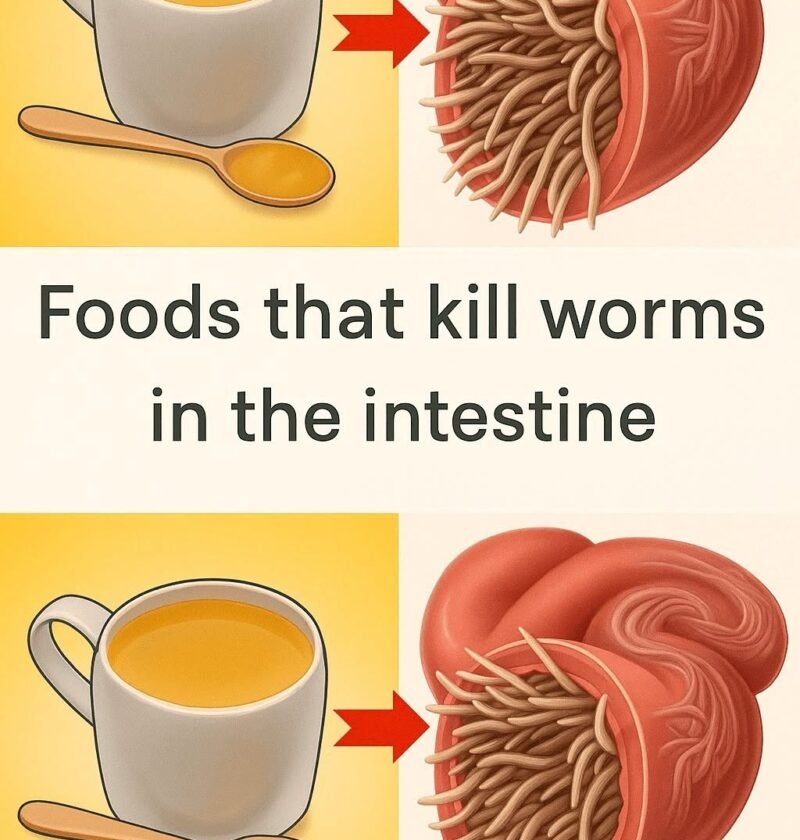
When viral health articles claim that eating specific foods—like raw garlic, pumpkin seeds, or papaya a certain way—can “kill and flush out intestinal worms,” they tap into a very ancient and deeply visceral fear of parasites.
While intestinal parasites (such as pinworms, tapeworms, or roundworms) are real medical conditions, the idea that a grocery store superfood can act as a DIY dewormer is a medical myth. In reality, modern clinical medicine relies on targeted, highly effective anti-parasitic medications to clear infections safely.
Here is the clinical reality behind common anti-parasite food claims, how true intestinal infections work, and what medical treatments are actually required:
—
### The Truth Behind “Parasite-Killing” Foods
Many viral posts point to foods with mild, traditional medicinal properties and exaggerate their abilities:
1. **Garlic:**
* **The Claim:** Raw garlic contains allicin, a compound with natural antimicrobial properties that supposedly burns or kills intestinal worms.
* **The Reality:** While allicin has demonstrated mild, broad-spectrum antimicrobial activity in laboratory settings, eating garlic cannot reach high enough concentrations inside your gastrointestinal tract to eradicate an established parasitic worm infection. It is a wonderful addition to a healthy diet, but it is not a pharmaceutical dewormer.
2. **Pumpkin Seeds (Pepitas):**
* **The Claim:** Pumpkin seeds contain an amino acid called cucurbitacin, which paralyzes worms so they fall off the intestinal wall.
* **The Reality:** Historical folk medicine used pumpkin seeds as a mild laxative or expulsion aid, but modern clinical trials show they do not reliably cure or eliminate parasite infestations on their own.
3. **Papaya Seeds and Pineapple:**
* **The Claim:** Enzymes like papain and bromelain digest proteinaceous worms alive.
* **The Reality:** These digestive enzymes break down food proteins in your stomach and upper small intestine, but they are broken down by your own digestive juices long before they could ever dissolve or kill living parasites deeper in the gut.
—
### How Do People Actually Get Intestinal Worms?
True intestinal parasite infections are diagnosed through clinical stool tests (ova and parasite exams) and are typically transmitted via:
* Ingesting contaminated food or water (common when traveling to regions with poor sanitation).
* Swallowing microscopic parasite eggs from contaminated soil or unwashed produce.
* Handling infected pets without proper hygiene (in the case of certain roundworms or tapeworms).
* In the case of **pinworms** (the most common intestinal worm in the developed world, particularly among school-aged children), transmission happens easily through hand-to-mouth contact after touching contaminated surfaces or bedding.
—
### What to Do If You Suspect Parasites
If you genuinely suspect you have a parasite—manifesting as intense anal itching (classic for pinworms), unexplained abdominal cramping, persistent bloating, unexplained weight loss, or visible worms or white fragments in your stool—do not rely on a kitchen cleanse.
* **See a Doctor:** A physician can easily order a simple stool test to identify the exact organism.
* **Use Targeted Prescription Medications:** Depending on the diagnosis, doctors prescribe safe, fast-acting anti-parasitic medications (such as albendazole, mebendazole, or pyrantel pamoate). These drugs work systematically or paralyze the specific neuromuscular systems of the parasites so your body can safely clear them out, usually within a single dose or a short course.
Are you or someone in your household currently dealing with unusual digestive symptoms or signs that made you wonder about parasites?