Fingernails and toenails are often referred to as a “window to your health.” Because nail cells grow relatively slowly, changes in their strength, texture, and shape can reflect internal shifts, nutritional habits, or external stressors happening over time.
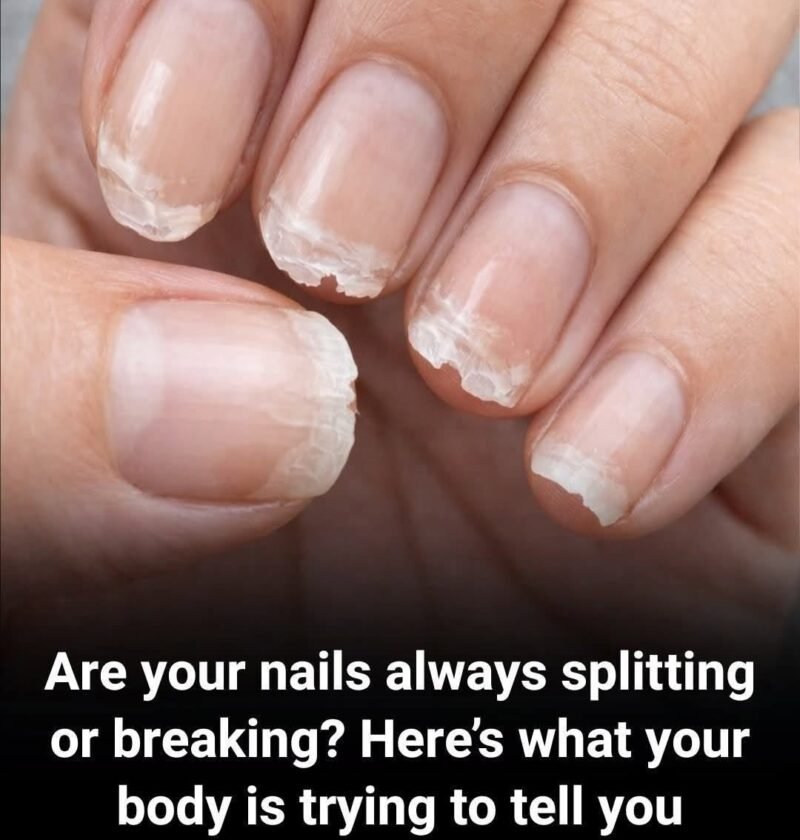
If your nails are weak, peeling, cracking, or breaking easily (clinically known as brittle nails or onychoschizia), your body could be sending you a few different signals.
1. External Factors (The Most Common Culprits)
Before looking internally, dermatologists note that the vast majority of brittle nail issues are caused by environmental wear-and-tear rather than a medical condition:
-
The Wet-Dry Cycle: Constantly getting your hands wet and letting them dry out (frequent handwashing, swimming, or doing dishes without gloves) strips the natural moisture and oils from the nail plate, causing them to split and peel.
-
Chemical Exposure: Frequent use of harsh household cleaning chemicals, acetone-based nail polish removers, gel manicures, and acrylics can severely dehydrate the keratin protein that makes up your nails.
-
Weather and Low Humidity: Cold, dry winter air or indoor heating can sap moisture from your skin and nails just as it does to your hair.
2. Nutritional Deficiencies
Nails are made of layers of a tough structural protein called keratin. To build and maintain them, your body needs a steady supply of specific building blocks:
-
Iron: Low iron levels—or iron-deficiency anemia—reduce the oxygen-carrying capacity of your red blood cells, which weakens nail matrix cells. Severely low iron can cause nails to become dry and brittle, or even take on a concave, “spoon-shaped” appearance (koilonychia).
-
B Vitamins (especially Biotin / B7): Biotin supports the infrastructure of keratin. While severe deficiencies are rare, low intake can sometimes contribute to fragile, soft nails.
-
Zinc: Zinc is essential for cell division and protein synthesis. A shortage can lead to slow growth, brittle texture, and sometimes white spots (leukonychia).
-
Protein: Because nails are protein structures, a chronically low-protein diet can result in weak, slow-growing nails.
3. Underlying Health Conditions
If your brittle nails are accompanied by other systemic symptoms, they may point to an internal medical issue:
-
Thyroid Disorders: Both an underactive thyroid (hypothyroidism) and an overactive thyroid can alter your metabolism, slowing down cellular turnover and leading to dry, brittle, or easily cracked nails.
-
Dermatological Conditions: Conditions like psoriasis or eczema can affect the skin around your fingers and the nail matrix, resulting in pitting, splitting, or abnormal nail thickening.
-
Circulatory or Systemic Illness: Persistent changes in nail texture, thickness, or color (such as dark lines or severe yellowing) can occasionally signal kidney issues, chronic infections, or circulation problems.
How to Help Your Nails Recover
-
Protect Them from Water and Chemicals: Wear rubber or nitrile gloves when doing house chores, washing dishes, or handling cleaning products.
-
Lock in Moisture: Apply a thick hand cream or ointment containing ingredients like lanolin, alpha hydroxy acids, or petrolatum to your hands and nails frequently—especially immediately after washing your hands.
-
Give Polish a Break: If you regularly wear nail polish or artificial nails, give your nails a “vacation” for a few weeks to let them breathe and recover.
-
Focus on a Balanced Diet: Prioritize lean proteins, iron-rich foods (like leafy greens, beans, and lean meats), and a colorful array of fruits and vegetables.
-
File Gently: Avoid rough metal nail files. File your nails in one direction (rather than sawing back and forth) using a fine glass or emery board to prevent micro-tears and splitting.
When to See a Doctor
If simple lifestyle adjustments, moisturizing, and nail protection do not improve your nail strength after a few weeks, it is a good idea to consult a primary care doctor or a dermatologist. Seek medical advice especially if your brittle nails are accompanied by fatigue, unexplained weight changes, hair loss, or if your nails change color, pull away from the nail bed, or develop painful swelling around the cuticles