What Is Normal Blood Pressure for Your Age? A Clear, Updated Guide
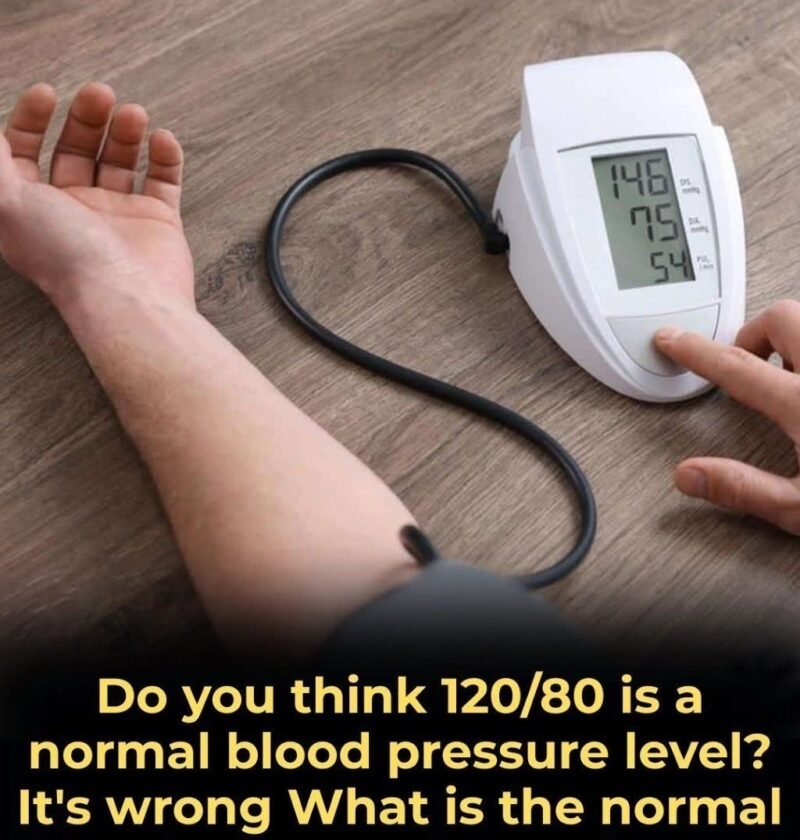
A common misconception is that “normal” blood pressure automatically gets higher as you get older. For adults, current American Heart Association categories don’t use a separate normal range for each age. A normal reading is generally below 120/80 mmHg. www.heart.org+1
| Reading | General adult category |
|---|---|
| Below 120/80 | Normal |
| 120–129 and below 80 | Elevated |
| 130–139 or 80–89 | Stage 1 hypertension |
| 140 or higher or 90 or higher | Stage 2 hypertension |
| Above 180 and/or 120 | Severe hypertension |
The category is determined by whichever number falls into the higher category. For example, 118/86 is not considered normal because the diastolic (bottom) number is in the stage 1 range. www.heart.org
What about people over 60 or 70?
Older adults don’t simply get a “free pass” for higher blood pressure. Treatment goals are individualized according to overall health, frailty, other medical conditions, medications, and how well treatment is tolerated. European guidance, for example, gives specific considerations for very old or frail people rather than applying one number to everyone. European Society of Cardiology
One reading isn’t enough
Blood pressure naturally fluctuates. For a meaningful assessment, measurements should be taken properly and repeated over time; a healthcare professional can determine whether someone actually has hypertension. www.heart.org+1
If a reading is over 180/120 mmHg, repeat it after a short rest. If it remains that high, contact a healthcare professional promptly. If it is accompanied by chest pain, shortness of breath, weakness/numbness, vision changes, severe headache, or difficulty speaking, seek emergency medical care. www.heart.org