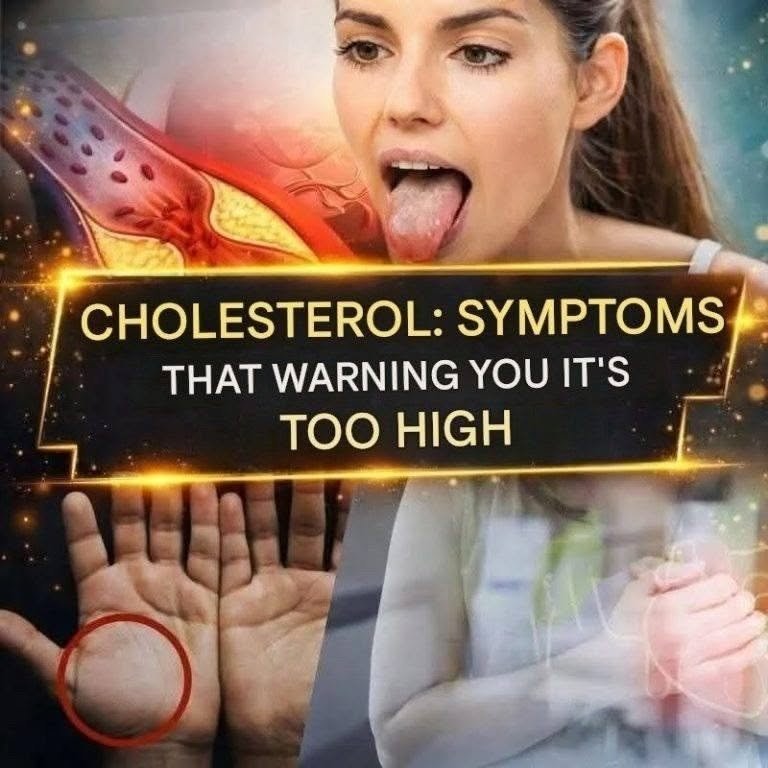
Cholesterol: 5 signs that may signal a problem
The important correction to this headline is that high cholesterol usually causes no symptoms. Most people cannot tell from how they feel that their cholesterol is elevated. A blood test (lipid panel) is the reliable way to detect it.
However, very high cholesterol—particularly inherited forms such as familial hypercholesterolemia—can sometimes produce physical signs:
-
Yellowish patches around the eyelids (xanthelasma)
These are fatty deposits under the skin. They aren’t proof that cholesterol is high, but they can be a reason to get it checked. -
Firm yellowish bumps or nodules (xanthomas)
Cholesterol can accumulate in tendons or under the skin, particularly with certain inherited lipid disorders. -
A gray-white ring around the cornea (corneal arcus)
This becomes increasingly common with age and isn’t necessarily caused by high cholesterol. In a younger person, however, it can warrant a cholesterol evaluation. -
Tendon thickening or swelling
Particularly around the Achilles tendon or hands, this can occur with familial hypercholesterolemia. -
Chest pain, shortness of breath, or pain with exertion
These aren’t symptoms of high cholesterol itself. They can occur when long-term cholesterol-related plaque buildup contributes to coronary artery disease. Such symptoms should be medically evaluated rather than attributed to cholesterol.
🚨 Don’t wait for symptoms
Because high cholesterol is usually silent, waiting for warning signs isn’t a good screening strategy. Ask your healthcare professional how often you should have your cholesterol checked, especially if you have diabetes, high blood pressure, cardiovascular disease, a family history of early heart disease, or other risk factors.
If you’re experiencing new chest pressure/pain, severe shortness of breath, fainting, or other possible heart-attack symptoms, seek emergency medical care rather than waiting for a cholesterol test.
Bottom line: There aren’t five reliable symptoms that tell you your cholesterol is “too high.” Testing is far more useful than looking for symptoms, and treatment decisions depend on your LDL level and overall cardiovascular risk.