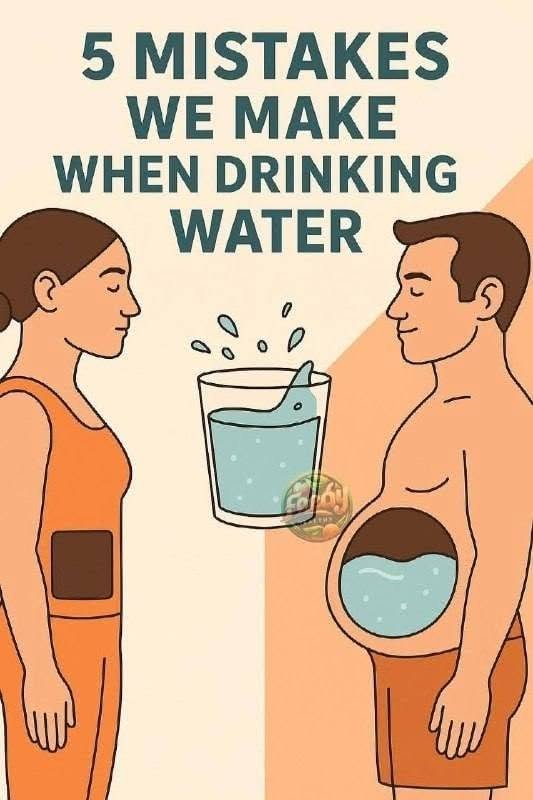
5 Common Water-Drinking Mistakes That Can Affect Your Health 💧
Water is essential, but more isn’t always better. Here are five habits worth avoiding:
-
Drinking far too much water at once
Large amounts consumed rapidly can dilute sodium in the blood (hyponatremia), which can be dangerous. Sip fluids throughout the day instead of forcing large quantities. -
Ignoring thirst completely
Thirst is one useful signal that you need fluids. In hot weather, during exercise, or when you’re ill, your needs can increase. -
Assuming everyone needs exactly 8 glasses a day
Fluid requirements vary with body size, diet, activity, climate, pregnancy, and medical conditions. Water from foods and other beverages also contributes to total fluid intake. -
Drinking excessive water during prolonged exercise without replacing electrolytes when appropriate
Endurance athletes who consume large amounts of plain water can develop dangerously low sodium. For prolonged, strenuous exercise, individualized hydration advice may be appropriate. -
Using an unclean or poorly maintained water bottle
Reusable bottles can accumulate bacteria if they’re rarely washed. Clean the bottle, lid, and mouthpiece regularly and allow them to dry properly.
A simple rule
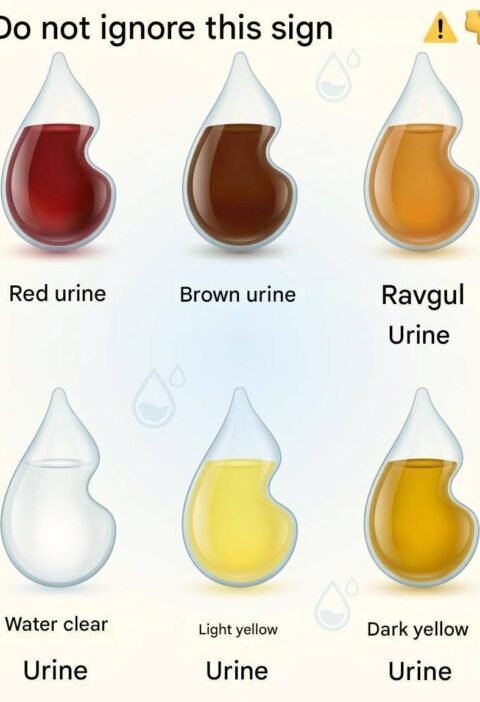
For most healthy people, drink regularly according to thirst and your circumstances, rather than following an arbitrary amount. Your urine is also a useful—but imperfect—indicator: consistently very dark urine can suggest you need more fluids, while completely clear urine all day may mean you’re drinking more than necessary.
People with kidney, heart, or liver disease or those taking certain medications may have specific fluid restrictions, so they should follow their clinician’s advice.