Visible Blue Veins After 60: What Your Blood Flow Is Really Telling You
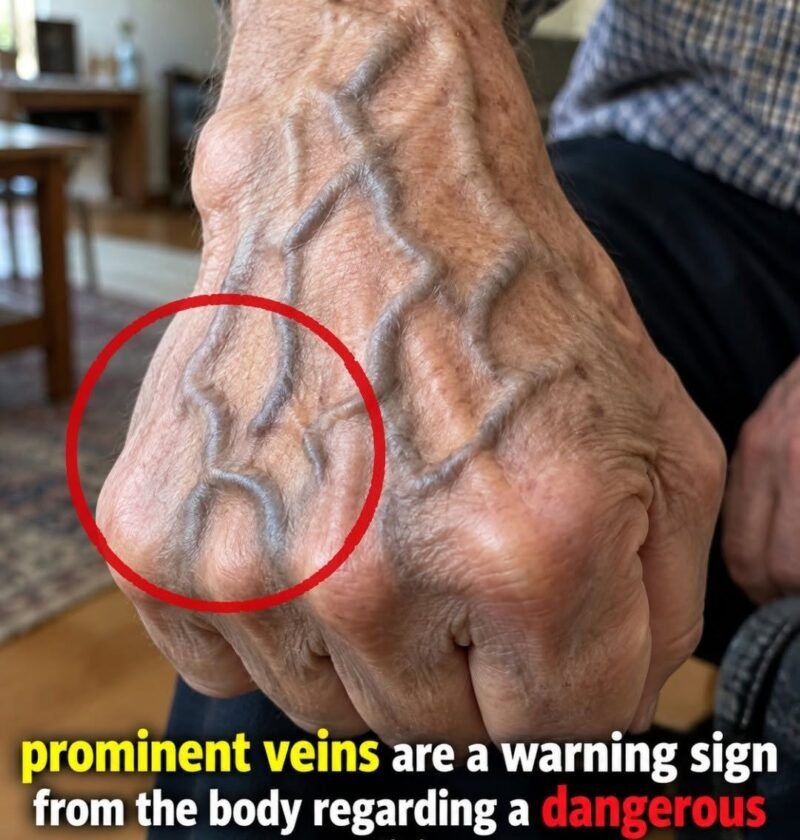
Seeing more blue or green veins after age 60 is often a normal change rather than a sign that your blood flow is failing. Aging makes the skin thinner and reduces some of the tissue beneath it, so superficial veins can become easier to see.
7 reasons veins may become more noticeable
-
Thinner skin with age — veins underneath the skin become more visible.
-
Loss of subcutaneous fat — less tissue can make veins appear prominent.
-
Sun exposure — long-term UV exposure can contribute to skin thinning.
-
Exercise — increased blood flow can temporarily make veins stand out.
-
Heat — blood vessels can widen in warm conditions.
-
Dehydration — can sometimes make superficial veins appear more prominent.
-
Varicose veins — enlarged, twisted veins in the legs can occur when venous valves don’t work efficiently.
When visible veins deserve medical attention
Don’t focus on the color of the vein alone. Look for new symptoms, such as:
-
One leg suddenly becoming swollen
-
Pain, tenderness, warmth, or redness along a vein
-
Persistent aching or heaviness in the legs
-
Skin becoming darker, thickened, or ulcerated around the ankles
-
A vein that suddenly becomes hard and painful
Sudden one-sided leg swelling or pain, especially with chest pain or shortness of breath, requires urgent medical attention.
What you can do
Regular walking, calf-strengthening exercises, avoiding long periods of sitting or standing, and maintaining a healthy weight can support healthy circulation. If you have persistent swelling or symptomatic varicose veins, a clinician can examine you and determine whether an ultrasound or other testing is appropriate.
Bottom line: Visible blue veins after 60 are commonly a consequence of normal skin and tissue changes. They’re more concerning when they’re new or accompanied by swelling, pain, skin changes, or other symptoms.