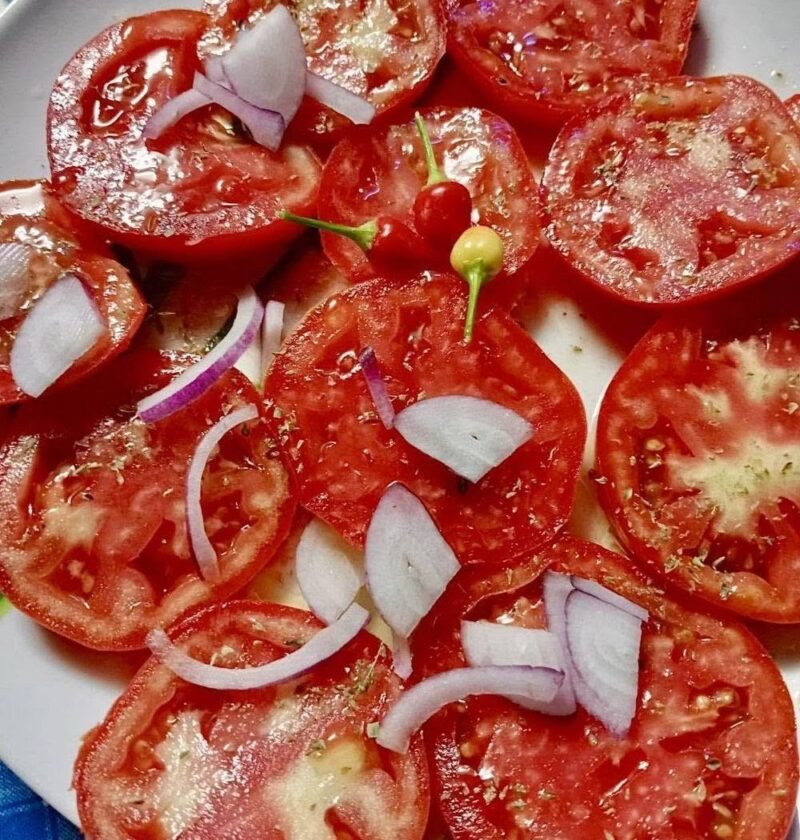
Headlines ending with a dramatic “see more” teaser about everyday foods like tomatoes are classic clickbait. They typically take a minor, nuanced scientific finding—or a rare allergy or medical condition—and twist it into an alarming declaration to grab your attention.
In reality, tomatoes are one of the most thoroughly researched, nutrient-packed staples of a healthy diet.
What Tomatoes Actually Do in Your Body
When you eat tomatoes, you are fueling your body with a powerful combination of vitamins, fiber, and potent antioxidants:
-
A Powerhouse of Lycopene: Tomatoes are the richest dietary source of lycopene, a powerful carotenoid and antioxidant that gives them their bright red color. Lycopene helps neutralize free radicals, reducing cellular oxidative stress and playing a well-documented role in supporting heart health and lowering the risk of certain cancers (such as prostate cancer).
-
Rich in Essential Nutrients: They are packed with Vitamin C for immune support, potassium for blood pressure regulation, Vitamin K for bone health, and folate.
-
Supporting Skin and Eye Health: The beta-carotene and vitamin C found in tomatoes help protect cells from UV-related skin damage and support overall vision.
Is There Any Truth to the “Harmful” Claims?
Sensationalist claims warning against tomatoes usually exaggerate very specific, individual circumstances:
-
Acid Reflux / GERD: Because tomatoes are naturally acidic, eating them in large quantities—especially raw or in concentrated sauces like marinara—can trigger heartburn or acid reflux in people with sensitive stomachs or GERD.
-
Nightshade Sensitivities: Tomatoes belong to the nightshade (Solanaceae) family. While completely harmless and nutritious for the vast rare majority of people, individuals with specific autoimmune conditions or rare sensitivities sometimes report joint inflammation, though scientific evidence for nightshades causing arthritis flare-ups in healthy individuals is lacking.
-
High Potassium Concerns: For individuals with advanced chronic kidney disease whose kidneys cannot properly filter potassium, doctors sometimes restrict high-potassium foods like tomatoes. This is a medical restriction for specific patients, not a universal danger.
The Takeaway: You don’t need to fear tomatoes. Unless you have a specific acid reflux trigger, a diagnosed allergy, or medical kidney restrictions, enjoying fresh tomatoes, cooked sauces, or salsas is a fantastic, heart-healthy addition to your daily diet.