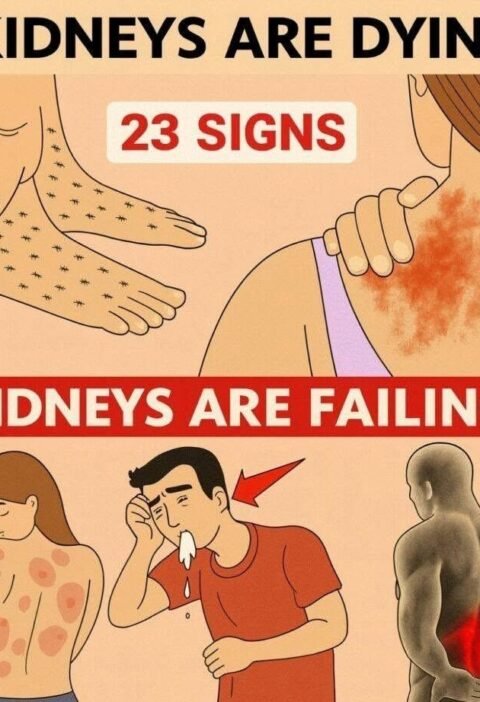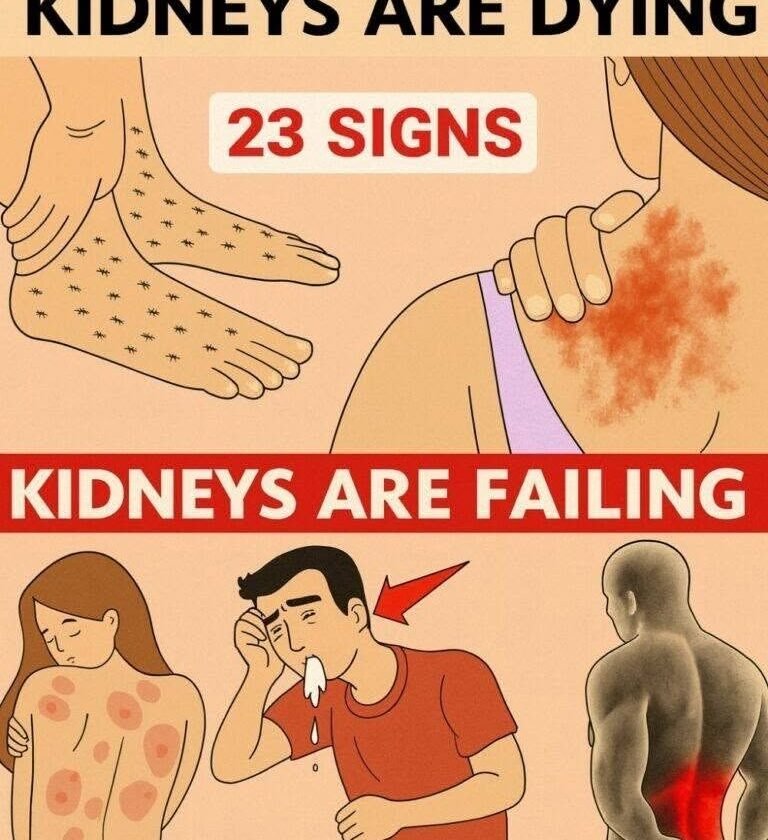
Because kidney disease is often called a “silent killer” in its early stages, online health articles frequently highlight unusual or subtle body signals that might point to underlying renal stress. While many of these signs can be caused by other common conditions, they shouldn’t be completely ignored if they persist.
Here are several unusual or lesser-known warning signs associated with kidney trouble:
Subtle & Unusual Body Signals
-
Foamy or Bubbly Urine: Constant, excessive bubbles in the toilet (resembling scrambled eggs) often indicate a leak of large amounts of protein (albumin) into the urine, signaling that the kidney’s filters are damaged.
-
Persistent Puffiness Around the Eyes (Periorbital Edema): Waking up with swollen, puffy eyes can happen when the kidneys leak a large amount of protein into the urine rather than keeping it in the body.
-
Dry, Itchy, or “Crawling” Skin: When kidneys fail to maintain the proper balance of minerals and nutrients in your blood (such as a buildup of phosphorus), it can lead to severe, deep-seated skin itching and mineral bone disease.
-
A Metallic Taste in the Mouth or Ammonia Breath: The accumulation of waste products in the blood (uremia) can change how food tastes, create a persistent metallic taste, or cause breath that smells faintly of ammonia.
-
Unexplained Muscle Cramps: Electrolyte imbalances—particularly low calcium, high phosphorus, or abnormal potassium levels caused by poor kidney function—can disrupt nerve and muscle signaling, triggering painful nighttime cramps (especially in the calves).
-
“Brain Fog” or Difficulty Concentrating: A buildup of toxins from poor filtration, combined with anemia (low red blood cells caused by a lack of the kidney hormone erythropoietin), can starve the brain of optimal oxygen, leading to dizziness and poor focus.
-
Changes in Nocturnal Urination: Frequently waking up multiple times throughout the night to urinate ( nocturia) is often one of the earliest functional warning signs that the kidneys’ concentrating ability is declining.
-
Swollen Ankles, Feet, or Hands: When the kidneys struggle to efficiently remove extra sodium and fluid, fluid retention builds up in the lower extremities.
Medical Disclaimer: Many of these symptoms are vague and can easily overlap with dehydration, lack of sleep, allergies, or minor vitamin deficiencies. However, if you are experiencing persistent changes—especially if you have underlying risk factors like high blood pressure or diabetes—a simple routine blood test (checking your eGFR) and a urine test can accurately assess your kidney health.
Are you or someone you know currently noticing any unusual physical symptoms that prompted you to look into this?