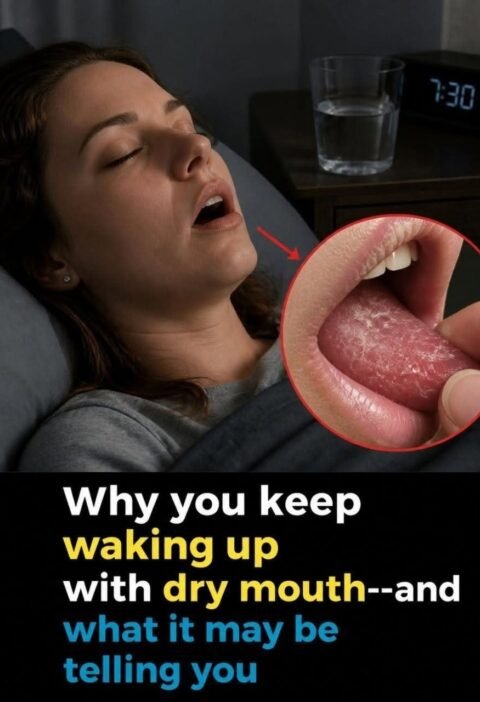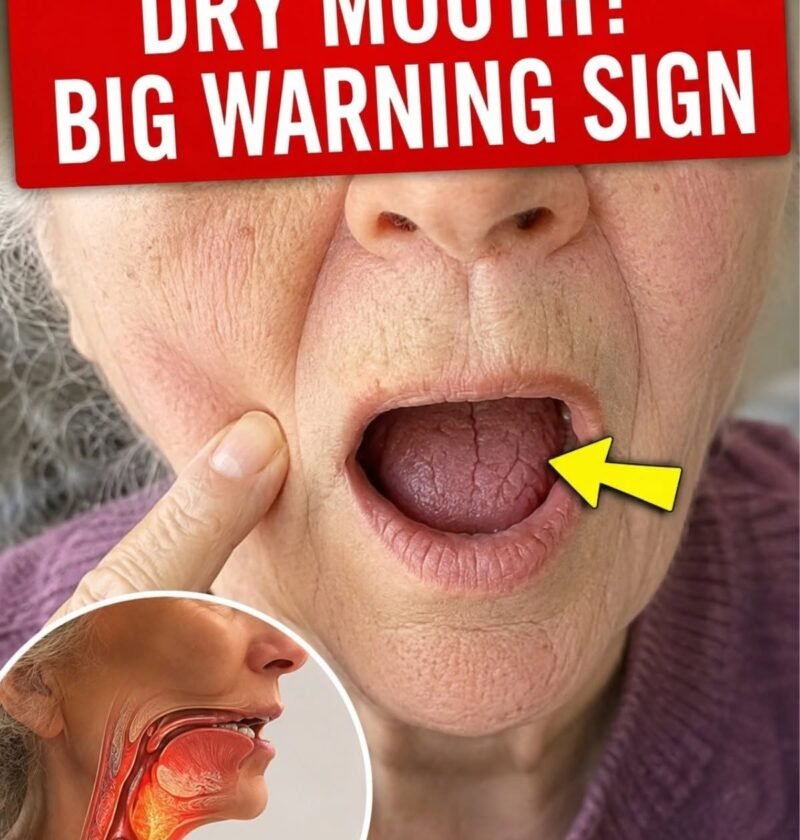
That headline is too dramatic. Dry mouth (xerostomia) isn’t simply “saliva shutting down,” and while it can become more common with age, persistent dry mouth shouldn’t automatically be dismissed as normal aging.
Why dry mouth happens
Common causes include:
- Medications: Many antihistamines, antidepressants, decongestants, blood-pressure medicines, and other drugs can reduce saliva.
- Mouth breathing: Nasal congestion, snoring, or sleep apnea can dry the mouth overnight.
- Dehydration: Not getting enough fluids can contribute.
- Tobacco and alcohol: Both can worsen dryness.
- Medical conditions: Diabetes, Sjögren’s syndrome, and some other illnesses can cause persistent dry mouth.
- Radiation treatment or certain medical therapies involving the head and neck can affect salivary glands.
Why it matters
Saliva protects your teeth and mouth. Chronic dryness increases the risk of tooth decay, gum disease, mouth infections, difficulty swallowing, and problems wearing dentures.
You can try drinking water regularly, chewing sugar-free gum to stimulate saliva, avoiding tobacco, and using an alcohol-free mouthwash. If a medication seems responsible, don’t stop it yourself—ask your doctor or pharmacist whether an alternative or dose adjustment is appropriate.
If dry mouth persists for several weeks, is severe, or comes with excessive thirst/urination, difficulty swallowing, mouth sores, or recurrent infections, get it evaluated.