If you’re referring to body odor changes in older women, it’s important not to assume that odor is simply a consequence of aging. Persistent or newly changed odor can sometimes signal a medical or hygiene issue that deserves attention.
8 overlooked contributors to body odor
- Not drinking enough fluids — dehydration can make urine and perspiration more concentrated.
- Heavy or non-breathable clothing — trapped sweat and moisture can encourage odor-producing bacteria.
- Infrequent washing of skin folds — areas such as under the breasts, groin, and abdominal folds can retain moisture.
- Not changing clothes or underwear regularly — especially after sweating.
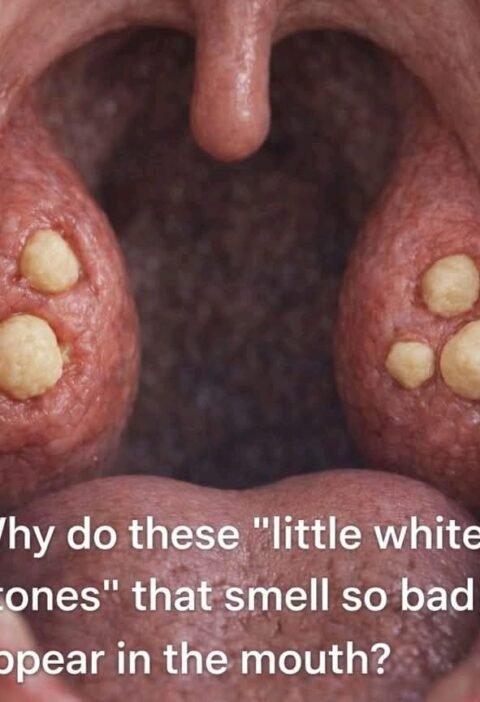
- Poor oral or dental hygiene — gum disease, dry mouth, dentures, or dental infections can contribute to persistent bad breath.
- Urine leakage — even small amounts of urinary incontinence can produce noticeable odor if clothing or skin remains damp.
- Certain foods or medications — some can alter breath, sweat, or urine odor.
- Ignoring infections or skin problems — fungal infections, bacterial infections, or wounds can produce strong or unusual odors.
When odor deserves medical attention
A sudden, persistent, or unusual odor—especially when accompanied by fever, pain, discharge, unexplained weight loss, excessive thirst, changes in urination, or skin changes—should be discussed with a healthcare professional.
There is also no special “old-age smell” that every older woman develops. Body chemistry can change with age, but good hygiene, dental care, breathable clothing, hydration, and treatment of underlying conditions can make a substantial difference.