Home Teeth Whitening: What Actually Works — And What Can Damage Your Teeth 🦷✨
Want a brighter smile without damaging your teeth? The good news is that some at-home whitening methods really do work—but popular DIY hacks can do more harm than good.
What Actually Works
1. Whitening strips
Peroxide-based whitening strips can lighten natural teeth and are among the better-supported over-the-counter options. Use them exactly as directed rather than leaving them on longer or using them more frequently. Ada+1
2. Dentist-provided whitening trays
A dentist can provide custom-fitted trays and whitening gel for use at home. They offer a controlled approach and can reduce the chance of gel contacting your gums. Ada+1
3. Whitening toothpaste
Whitening toothpaste is useful mainly for removing surface stains from coffee, tea, tobacco, and similar sources. It generally won’t dramatically change the natural underlying color of your teeth. Ada+1
What Can Damage Your Teeth
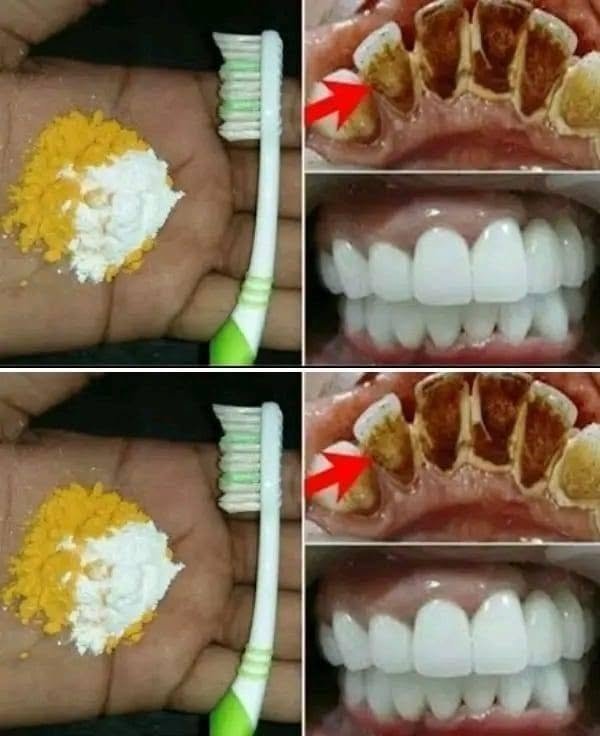
Be cautious with DIY recipes involving lemon juice, vinegar, salt, charcoal, or aggressive scrubbing. Acidic ingredients can harm enamel, while abrasive mixtures can wear away the surface of the tooth. There isn’t good evidence that many of these DIY approaches provide safe, meaningful whitening. Ada+2
Also avoid overusing whitening products. Peroxide-based whiteners can cause temporary sensitivity and gum irritation, and excessive or prolonged use can contribute to enamel damage. MouthHealthy+1
One Important Thing to Know
Whitening only changes the color of natural teeth. Crowns, veneers, dentures, and other tooth-colored restorations won’t whiten in the same way, so whitening can sometimes make them look mismatched. Ada+1
The safest approach: maintain good brushing and flossing habits, choose a reputable whitening product, follow its instructions precisely, and consider talking with a dentist before whitening—especially if you have sensitive teeth, cavities, gum problems, or dental restorations.