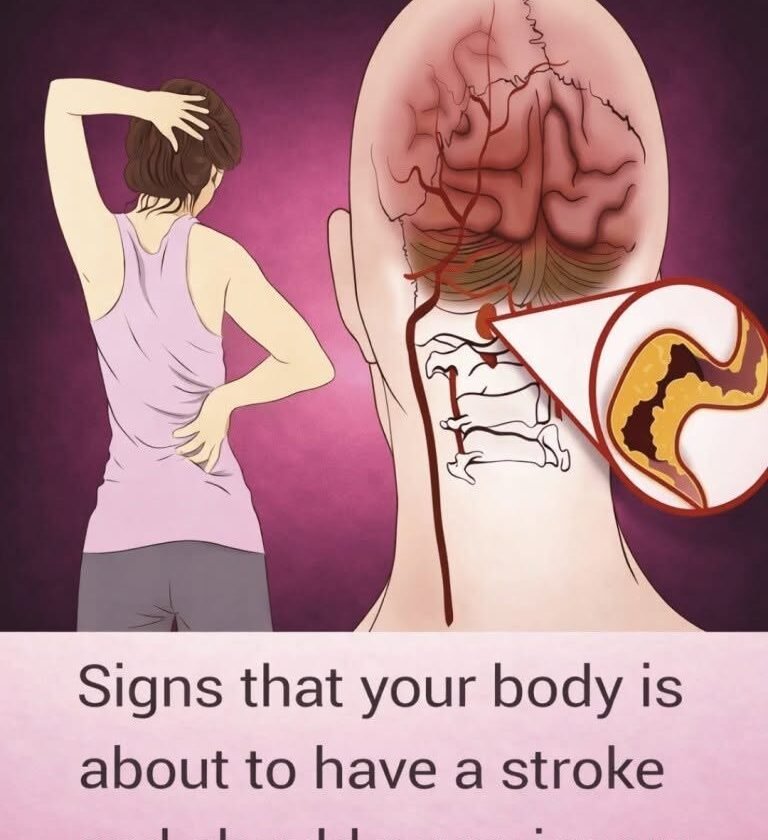
🚨 10 Early Warning Signs of a Stroke Everyone Should Know
A stroke can happen suddenly, and every minute matters. Recognizing the warning signs and getting emergency treatment quickly can reduce brain damage and disability. CDC+1
1. Sudden numbness or weakness
Especially in the face, arm, or leg on one side of the body.
2. Facial drooping
One side of the face may suddenly droop or feel numb. Ask the person to smile and look for an uneven smile.
3. Sudden trouble speaking
Speech may become slurred, difficult to understand, or the person may struggle to find words.
4. Difficulty understanding
Someone may suddenly seem confused or unable to understand what others are saying.
5. Sudden vision problems
Blurred, double, or lost vision in one or both eyes can be a warning sign.
6. Sudden dizziness
Unexpected dizziness, particularly when accompanied by other neurological symptoms, should not be ignored.
7. Loss of balance or coordination
Sudden difficulty walking, stumbling, or inability to coordinate movements can occur during a stroke.
8. A sudden severe headache
A sudden, extremely severe headache with no known cause can be a stroke warning sign, particularly with other symptoms. CDC+1
9. Sudden difficulty walking
A person may suddenly have trouble standing or walking normally, even without obvious weakness.
10. Sudden confusion or a major change in alertness
Unexpected disorientation or difficulty responding normally can accompany a stroke.
⏱️ Remember B.E. F.A.S.T.
- B — Balance: Sudden loss of balance or coordination
- E — Eyes: Sudden vision changes
- F — Face: One side of the face droops
- A — Arms: One arm becomes weak or numb
- S — Speech: Speech becomes slurred or difficult
- T — Time: Call emergency medical services immediately
The CDC and American Stroke Association recommend acting immediately when these symptoms occur. Note the time the symptoms began, because this can help doctors determine appropriate treatment. CDC+1
🚨 Don’t wait for symptoms to disappear
Even if the symptoms last only a few minutes and completely disappear, they could represent a transient ischemic attack (TIA), sometimes called a mini-stroke. A TIA is a medical emergency and can warn of a future major stroke. CDC
If these symptoms are happening now, seek emergency medical help immediately. Don’t wait to see whether they improve and don’t drive yourself to the hospital. CDC