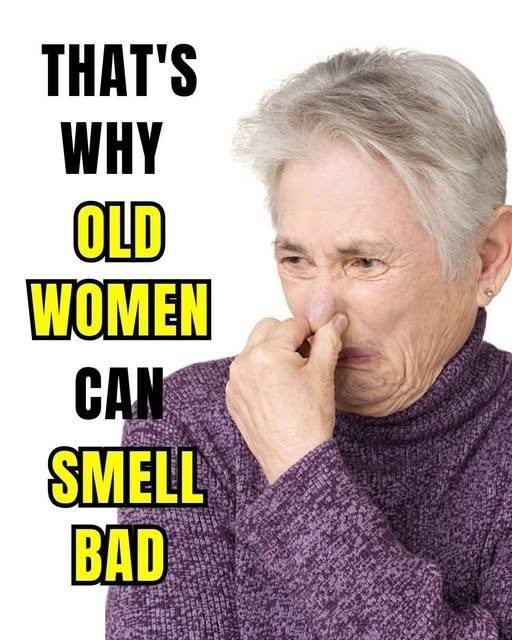
8 Hidden HabBody odor isn’t simply a hygiene issue. As we age, changes in skin, hormonesits That Can Contribute to Body Odor in Older Women
Body odor isn’t simply a hygiene issue. As we age, changes in skin, hormones, medications, diet, and health can all affect how we smell.
- Not washing sweat-prone areas thoroughly — Armpits, feet, skin folds, and the groin can harbor odor-producing bacteria.
- Wearing clothes repeatedly — Fabrics can retain sweat, oils, and bacteria even when they don’t look dirty.
- Staying in damp clothing — Moisture encourages bacterial and fungal growth, particularly around skin folds and feet.
- Not drying skin properly — Remaining moisture under the breasts, abdomen, or in the groin can contribute to odor and skin infections.
- Ignoring dental or oral hygiene — Poor oral hygiene, gum disease, dry mouth, or dentures that aren’t cleaned properly can cause persistent bad breath.
- Drinking too little water — Dehydration can contribute to dry mouth and stronger-smelling urine.
- Eating certain foods frequently — Garlic, onions, some spices, and alcohol can temporarily affect breath and body odor.
- Ignoring a new or persistent odor — A sudden change can sometimes be associated with an infection, medication effect, metabolic condition, or another health problem.
A note about aging
Older adults can develop a characteristic change in skin odor sometimes called “old person smell,” partly related to changes in skin oils and the compound 2-nonenal. It isn’t necessarily caused by being unclean.
If odor is new, unusually strong, persistent despite good hygiene, or accompanied by itching, discharge, wounds, fever, unexplained weight loss, or other symptoms, it’s worth discussing with a healthcare professional rather than trying to mask it with fragrance.