Showing 2,810 Result(s)
Blog

If you have a heart attack at home, do this in 10 seconds and you can save your life.(1 / 2)

There is no 10-second trick that can reliably stop a heart attack. Viral posts sometimes claim that vigorous coughing, drinking water, or performing a particular breathing technique can “save your life,” but these are not substitutes for emergency treatment. If you think you’re having a heart attack: Call your local emergency medical service immediately. Don’t …

Blog

Never Use Ginger If You Have Any of These Conditions – It Can Cause Serious Health Problems

The headline is too alarming. Ginger is generally safe as a food for most people, but concentrated ginger supplements or large amounts can be inappropriate for some people. People who should be cautious with ginger People taking blood-thinning or antiplatelet medicines: Ginger may have antiplatelet effects, so combining large supplemental doses with medicines such as …

Blog

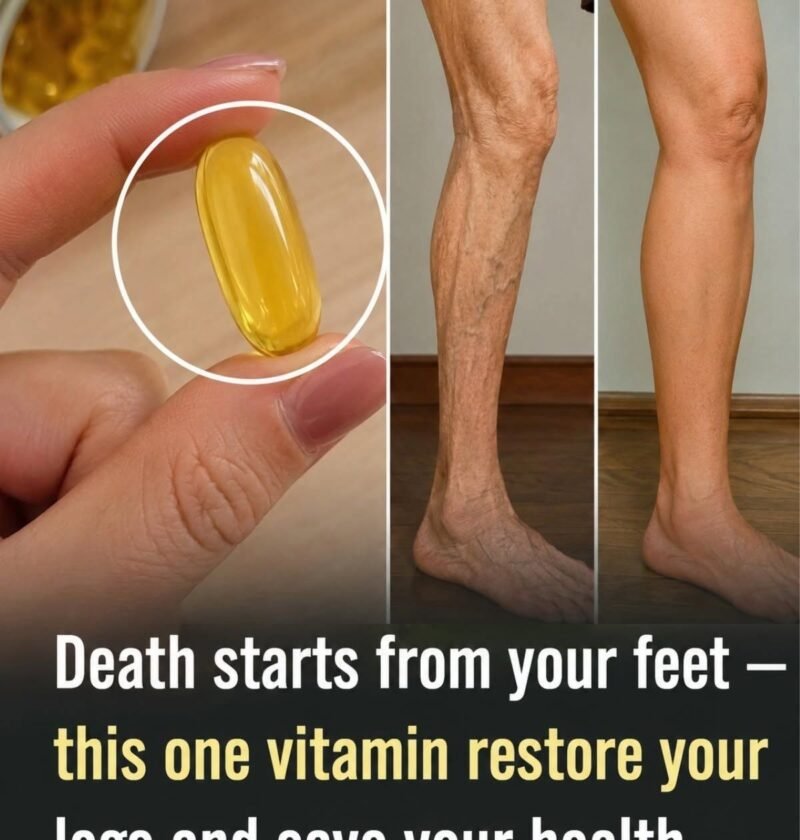
The Best Vitamin for Your Legs: What Dead Feet and Heavy Calves Are Missing

The headline is misleading: there isn’t a single “best vitamin for your legs,” and heavy calves or “dead feet” don’t automatically mean you’re deficient in a particular vitamin. What could be behind these symptoms? Numbness, tingling, or burning feet can occur with nerve problems, including diabetic neuropathy, vitamin B12 deficiency, or nerve compression. Heavy or …

Blog

Between the ages of 70 and 75: 5 aspects that can make this stage more challenging.

Ages 70–75 can bring some changes that require more attention, but there is no universal set of difficulties that everyone experiences. Many people remain active and independent throughout this period. 5 aspects that can become more challenging Maintaining muscle strength and balance Muscle mass and strength can decline with age, which can affect mobility and …

Blog

This is why we get cramps at night

If you mean nighttime leg cramps, there usually isn’t one single cause. They are sudden, involuntary tightening of a muscle—most often the calf—and they’re particularly common as people get older. Common reasons they happen Muscle fatigue or prolonged activity during the day Long periods of sitting or standing Reduced flexibility, especially tight calf muscles Dehydration …