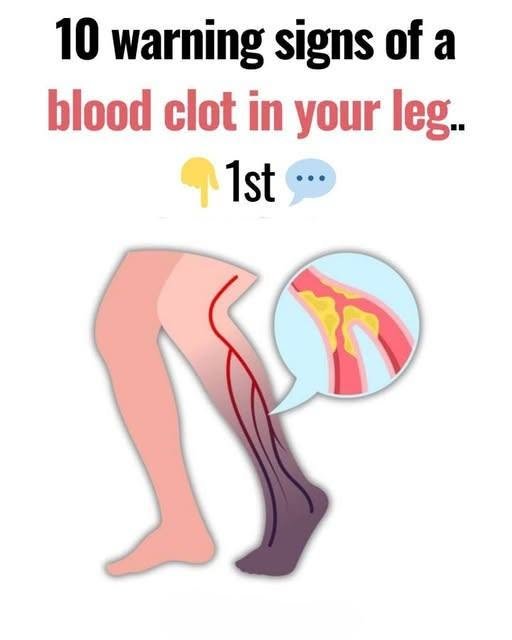
The headline “10 Warning Signs of a Blood Clot in the Leg You Should Know” is another common health-search topic. While clickbait articles often exaggerate by labeling every normal muscle ache, minor bruise, or post-workout soreness as an impending vascular emergency, understanding true deep vein thrombosis (DVT) is genuinely important.
A blood clot in a deep vein—most commonly in the calf or thigh—is called deep vein thrombosis (DVT). Unlike routine muscle soreness, a true blood clot is a serious medical issue because a piece of the clot can break off, travel through the bloodstream, and lodge in the lungs, causing a potentially fatal pulmonary embolism (PE).
Let’s cut through the alarmism and look at the clear, unmistakable clinical red flags that distinguish a real leg blood clot from everyday aches.
The Classic Warning Signs of DVT (Deep Vein Thrombosis)
When a blood clot forms and blocks blood flow in a deep leg vein, it creates a very specific, localized pattern of symptoms. Unlike general leg fatigue or cramping, DVT typically affects only one leg and presents with a combination of these signs:
-
Unilateral Swelling (One Leg Only):
-
What it looks like: Swelling in your foot, ankle, or entire calf that occurs in only one leg. If your left leg is normal but your right calf is visibly larger and swollen, that asymmetry is a classic clinical clue. (General water retention or fatigue affects both legs equally).
-
-
Localized Pain, Tenderness, or Cramping:
-
What it feels like: A deep, persistent ache or cramping pain in the calf muscle that feels distinct from a standard workout soreness or a fleeting nighttime “charley horse.” It often worsens when you stand or walk.
-
-
Skin Discoloration or Redness:
-
What it looks like: The skin over the affected area may appear noticeably red, discolored, or purplish compared to the rest of the leg.
-
-
Warmth to the Touch:
-
What it feels like: Because blood is blocked and pooling, the skin directly over the clot often feels noticeably warmer and hotter than the surrounding skin or your other leg.
-
The Ultimate Danger: When DVT Reaches the Lungs (Pulmonary Embolism)
The reason doctors take leg clots so seriously is that DVT can silently travel upward. If you experience any of the following symptoms alongside leg pain or swelling, seek emergency medical care immediately, as it indicates the clot may have traveled to your lungs:
-
Sudden, unexplained shortness of breath or difficulty breathing.
-
Sharp, stabbing chest pain that often worsens when you take a deep breath or cough.
-
A sudden, unexplained rapid heart rate (tachycardia).
-
Coughing up blood.
Who Is at Risk? (Context Matters)
Blood clots don’t usually appear out of nowhere in healthy, active people. Vascular specialists look at specific clinical risk factors that slow down blood flow or increase clotting tendency, such as:
-
Recent major surgery, trauma, or bone fractures.
-
Prolonged immobilization (e.g., being bedridden, recovering from an injury, or taking an exceptionally long-haul flight without movement).
-
Active cancer treatments or specific genetic clotting disorders.
-
Certain medications, such as hormone replacement therapy or oral contraceptives.
The Takeaway
If you have generalized muscle soreness in both legs after a hike or a workout, it’s just normal fatigue. But if you notice sudden, severe swelling, heat, and pain in one leg only, don’t guess—have it evaluated by a medical professional promptly.