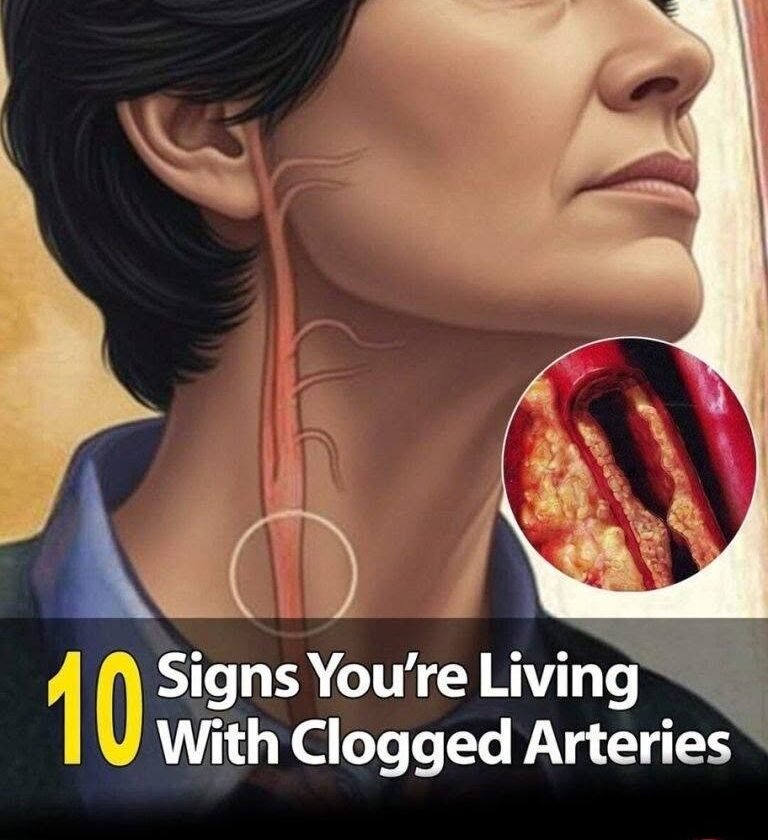
10 Possible Warning Signs of Blocked Arteries
“Blocked arteries” can refer to coronary artery disease, peripheral artery disease (PAD), or narrowing in other blood vessels. Importantly, some people have significant artery disease without noticeable symptoms.
Possible warning signs include:
-
Chest pressure, tightness, or pain — particularly with exertion and relieved by rest; this can occur with coronary artery disease.
-
Shortness of breath, especially during physical activity.
-
Unusual fatigue or reduced exercise tolerance.
-
Pain, aching, or cramping in the legs when walking that improves after resting—classic for PAD.
-
Coldness in one foot or leg compared with the other.
-
Numbness or weakness in a leg or foot.
-
Slow-healing wounds or sores on the feet or legs.
-
Skin color changes in a leg or foot, such as unusually pale, bluish, or reddish skin.
-
Weak or absent pulses in the legs, which a clinician can detect during an examination.
-
Erectile dysfunction in men, which can sometimes be associated with vascular disease.
🚨 Don’t wait with these symptoms
Call emergency services for new or severe chest pressure/pain, particularly if it spreads to the arm, jaw, back, or shoulder or occurs with sweating, nausea, or shortness of breath.
Sudden weakness or numbness on one side, facial drooping, speech difficulty, or sudden vision loss can indicate a stroke and requires immediate emergency care.
Likewise, a leg that suddenly becomes very painful, pale/cold, numb, or weak requires urgent evaluation.
One important misconception
There isn’t a drink, vitamin, or home remedy that can reliably “unclog” an artery. If artery disease is suspected, doctors may use blood tests, blood-pressure assessment, ECG, ultrasound, CT, or other tests depending on the symptoms.
Risk can often be reduced by not smoking, exercising regularly, managing blood pressure and cholesterol, controlling diabetes, and following prescribed treatment.