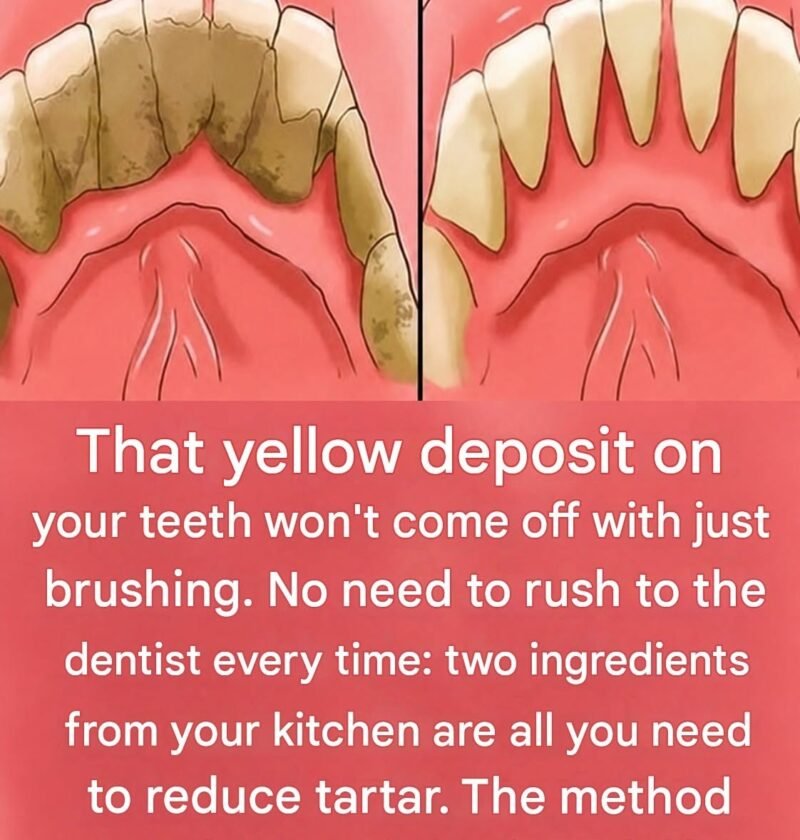
While the DIY “at-home dentist” trend is popular on social media, there is an important dental reality to establish right away: you cannot safely remove hardened tartar (calculus) at home.
The Crucial Difference: Plaque vs. Tartar
Understanding what you can and cannot tackle at home comes down to how dental deposits form:
-
Plaque (Removable at Home): A sticky, colorless film of bacteria that constantly forms on your teeth. You can effectively remove plaque yourself through daily brushing and flossing.
-
Tartar / Calculus (Professional Removal Only): When plaque is left on the teeth for more than 24 to 72 hours, it reacts with the minerals in your saliva and calcifies (hardens) into tartar. Once hardened, it bonds chemically to tooth enamel and becomes as hard as concrete.
Why DIY Tartar Removal is Dangerous
Attempting to scrape away tartar yourself using metal picks, needles, or viral “dental scraping kits” poses serious risks to your oral health:
-
Enamel Destruction: Scraping tools easily scratch and permanently gouge your tooth enamel, making it even easier for plaque and bacteria to stick in the future.
-
Gum Lacerations: Slipping with a sharp metal tool can severely cut your delicate gum tissue, leading to painful infections, bleeding, and receding gums.
-
Root Damage and Tooth Loss: Gouging below the gumline can damage the roots of your teeth or rupture the periodontal attachment, accelerating gum disease rather than curing it.
Safe At-Home Habits to Prevent Tartar
While you cannot scrape away existing tartar yourself, you can take powerful steps to prevent new plaque from turning into tartar and manage your overall oral hygiene:
-
Upgrade to an Electric Toothbrush: Clinical studies show that sonic or oscillating electric toothbrushes remove significantly more plaque than manual brushing, drastically cutting down the material that hardens into tartar.
-
Use Tartar-Control Toothpastes: Look for toothpastes containing pyrophosphates or zinc citrate. These chemical agents help inhibit the crystallization of minerals on your teeth, slowing down new tartar formation.
-
Floss Daily Without Exception: Tartar forms fastest between teeth where toothbrush bristles cannot reach. Daily flossing breaks up plaque before it has a chance to mineralize.
-
Incorporate an Antiseptic Mouthwash: Using an antibacterial mouthwash helps reduce the overall bacterial load in your mouth, slowing down the plaque accumulation rate.
When to See a Professional
The only safe, effective way to remove existing tartar is through a professional scaling procedure performed by a dentist or dental hygienist using specialized ultrasonic and manual instruments. If you notice yellow or brownish crusts near your gumline or persistent gum bleeding when you brush, it’s time to schedule a professional cleaning.