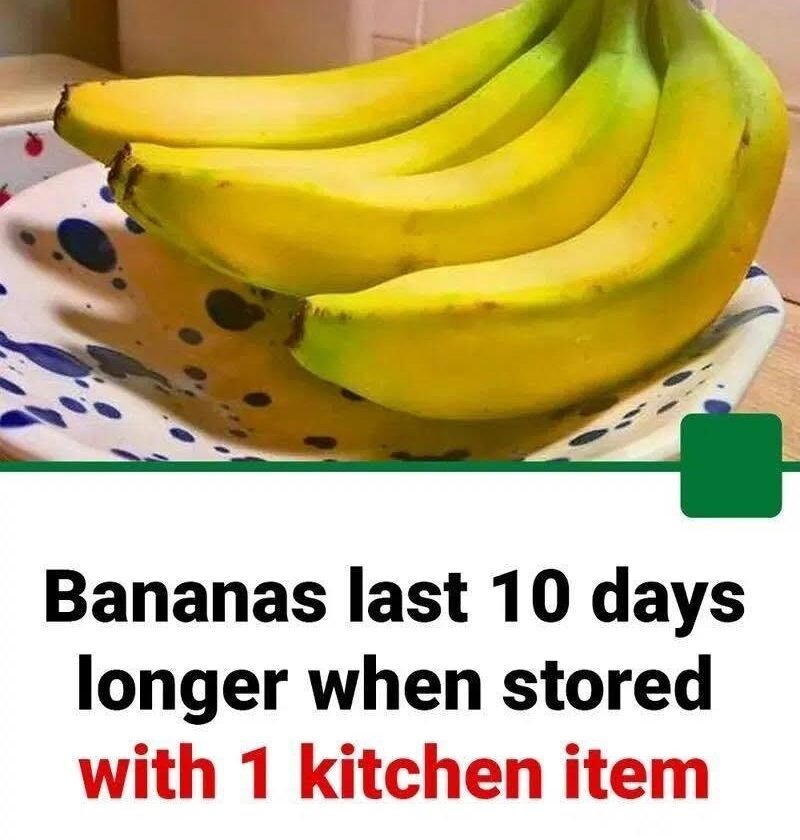
Ah, the classic social media “miracle produce hack”! Whenever a headline claims a simple household item can magically extend the life of a fruit by an extra 10 days, you are knee-deep in viral food-prep territory.
While clickbait loves to frame these tricks like secret alchemy, this particular hack is actually rooted in real plant biology—even if the “10 extra days” claim is a bit of internet exaggeration.
Here is the realistic, un-dramatized science behind how bananas ripen and whether that mysterious kitchen item actually works:
What the Clickbait Wants You to Believe
Articles and short-form videos love to tease a single household item—almost always aluminum foil or plastic wrap—wrapped tightly around the stems, promising that your bananas will stay bright yellow and pristine for weeks instead of turning into banana bread material.
The Real Science: Ethylene Gas
To understand why wrapping the stem works at all, you have to look at how bananas mature:
-
The Culprit: Bananas naturally release a plant hormone called ethylene gas.
-
The Process: While this gas escapes from all parts of the fruit, the highest concentration is released directly through the stem (the crown) where the bunch is joined. That gas acts as a chemical accelerator, signaling the fruit to turn starches into sugars, soften up, and rapidly turn brown.
Does Wrapping the Stem Actually Work?
Yes, but with realistic limitations.
-
Wrapping the stem tightly in aluminum foil, plastic wrap, or a reusable beeswax wrap does help trap and block some of that escaping ethylene gas, slowing down the ripening process of the upper body of the bunch.
-
The Catch: It doesn’t freeze time completely. A banana is a living fruit continuing its natural respiration cycle. While foil buys you a few extra days of firmness, it won’t magically keep a bruised, overripe banana fresh for an extra week and a half.
Better Ways to Keep Bananas Fresh
If you want to maximize the lifespan of your fruit without falling for hyperbole, a few practical steps make a real difference:
-
Separate the Bunch: Ethylene gas feeds on proximity. If you cut or pull the bananas apart so they aren’t crowded tightly together at a shared crown, they produce less collective gas and ripen much slower.
-
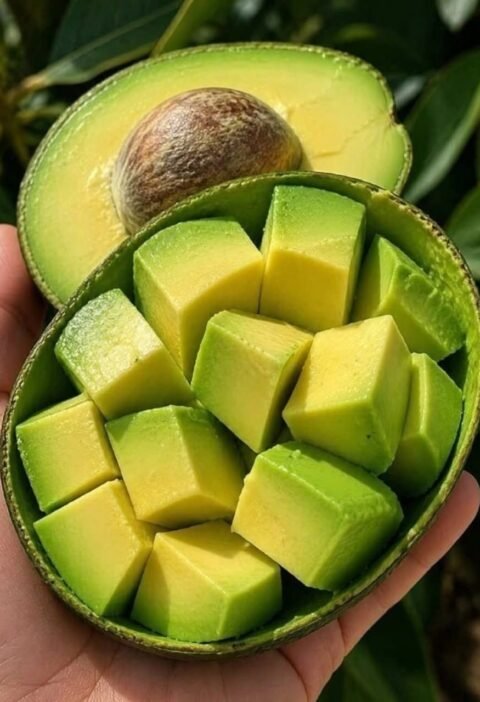
Keep Them Away from Other Produce: Don’t park your banana bowl right next to your apples or avocados. They are also high ethylene producers, meaning they will speed up each other’s decay in a race to the bottom.
-
Embrace the Fridge (Eventually): Once your bananas reach your ideal level of ripeness, you can toss them into the refrigerator. The cold will turn the outer peels completely black because cold temperatures destroy the skin’s enzymes, but the actual fruit inside will stay firm and edible for several days longer.
💡 The Bottom Line: You don’t need a magical secret item to save your fruit—just a piece of foil to choke off the crown’s ethylene gas, a little separation, and realistic expectations about how long fresh produce lasts.
Did this article try to sell you a special plastic “banana pod” gadget, or was it just pushing the classic aluminum foil trick?
This video demonstrates a quick visual walkthrough of how wrapping banana stems helps control ethylene gas to extend their shelf life.