Ah, the classic joint-pain hook! Nothing quite like a list of everyday aches and stiffness to make everyone over 30 momentarily wonder if their joints are disintegrating.
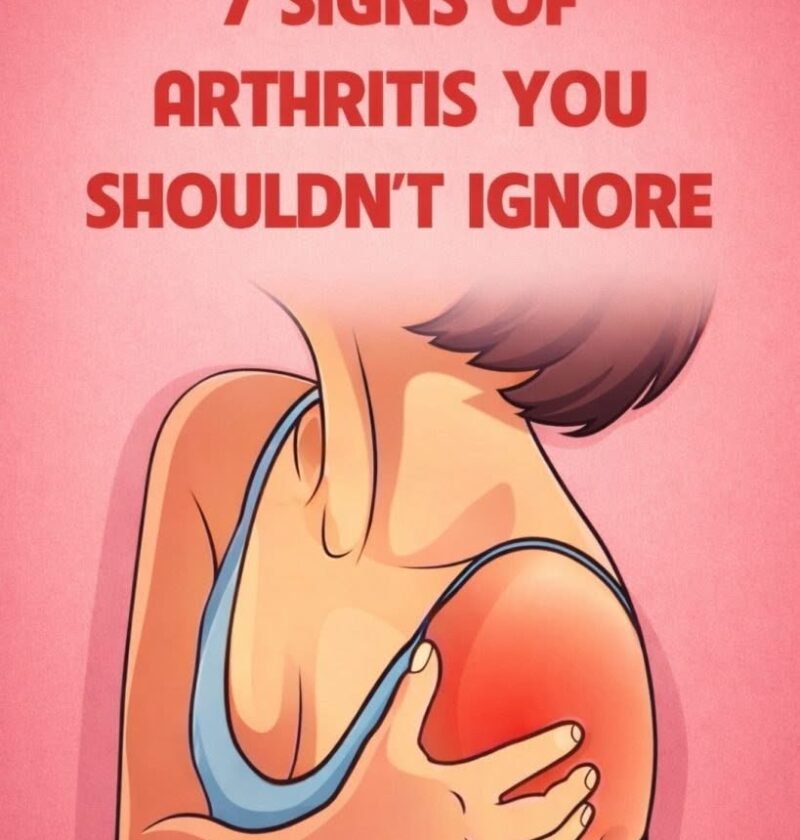
While clickbait arthritis headlines love to frame every normal morning creak as a dire emergency, the reality is that arthritis is extremely common—and recognizing the early signs can actually help you protect your joints long-term.
Here are the signs these articles usually talk about, and what they actually mean:
1. Morning Joint Stiffness That “Warms Up”
-
What it means: Feeling stiff in your fingers, knees, or hips when you first wake up or after sitting for a long time.
-
The reality: If the stiffness eases up within 30 minutes of moving around, it’s often a classic sign of osteoarthritis (wear-and-tear of the joint cartilage). If that morning stiffness lasts longer than an hour and affects both sides of the body symmetrically, doctors look more toward rheumatoid arthritis (an autoimmune inflammatory condition).
2. Persistent Joint Pain and Tenderness
-
What it means: Aching or soreness during or after movement, or tenderness when you gently press on the joint.
-
The reality: This happens when the protective cartilage cushioning the ends of your bones wears down, causing bones to rub more directly against each other or leading to localized inflammation.
3. Swelling Around the Joint
-
What it means: Puffy, swollen, or enlarged-looking joints.
-
The reality: In osteoarthritis, swelling is usually mild and caused by bone spurs or minor fluid accumulation. In inflammatory types of arthritis (like RA or gout), swelling can be much more pronounced, warm to the touch, and accompanied by redness.
4. A Decreased Range of Motion
-
What it means: Not being able to straighten your leg fully, bend your wrist completely, or move a joint as far as you used to.
-
The reality: Over time, joint damage, bone changes, and stiffened surrounding tendons or ligaments can restrict how fluidly the joint moves.
5. Cracking, Grating, or “Crepitus”
-
What it means: Hearing or feeling a grinding, popping, or crunching sound when you move a joint.
-
The reality: Unless it is accompanied by sharp pain or swelling, harmless joint popping is very common (often just gas bubbles releasing in the joint fluid). However, a true dull, grating sensation can indicate rough cartilage surfaces rubbing together.
6. Joint Instability or “Giving Way”
-
What it means: Feeling like a knee or ankle is suddenly buckling under you or can’t fully support your weight.
-
The reality: This happens when inflammation, cartilage loss, or weakened muscles and ligaments around the joint compromise its overall structural stability.
7. Fatigue and Low-Grade Fever (With Inflammatory Types)
-
What it means: Feeling wiped out, exhausted, or generally unwell alongside joint symptoms.
-
The reality: While simple wear-and-tear osteoarthritis doesn’t cause systemic fatigue, autoimmune forms like rheumatoid arthritis send your immune system into overdrive, which can make your whole body feel exhausted and run-down.
💡 The Takeaway: A random pop or a bit of soreness after a heavy workout isn’t an immediate crisis. But if joint stiffness, swelling, or pain hangs around for weeks and starts interfering with your daily life, it’s definitely worth having a doctor or rheumatologist take a look.
Did this article focus more on general wear-and-tear joint health, or did it try to push a specific miracle supplement or “anti-inflammation” superfood?