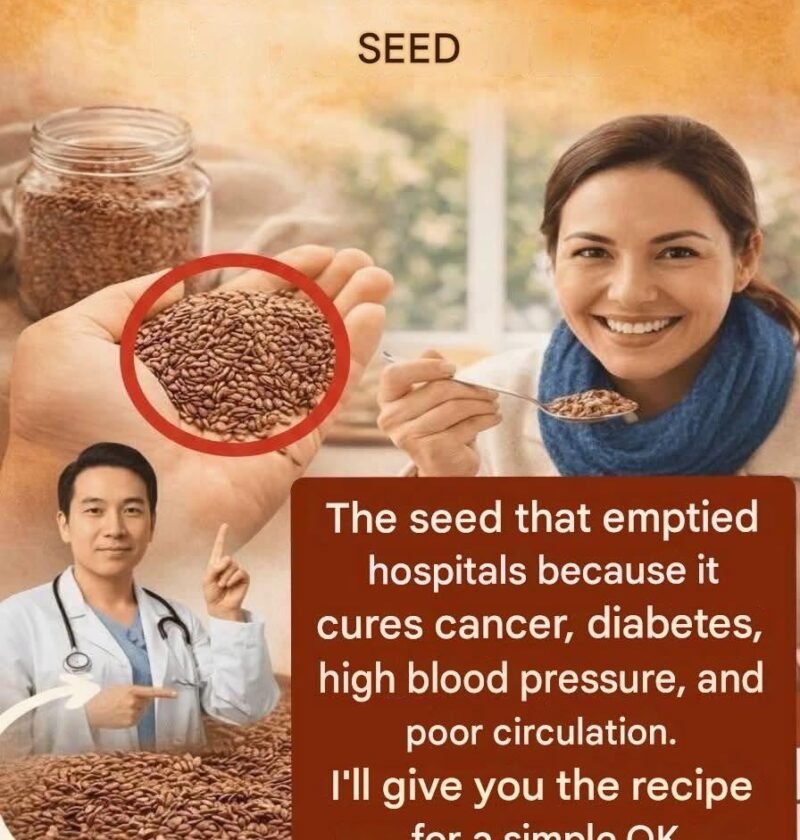
Sensational health headlines love to declare that certain kitchen ingredients or seeds can “destroy the deadliest diseases” or “cure everything from cancer to chronic illness.” Whenever you see claims promising a miracle cure that pharmaceutical companies supposedly want to keep secret, a healthy dose of skepticism is always required.
The seeds behind these dramatic clickbait titles are almost always Black Cumin Seeds (Nigella sativa), also known as black seeds or kalonji. While they don’t “destroy deadly diseases,” they are a fascinating traditional remedy backed by genuine, ongoing scientific research.
Here is a look at what black seeds actually do, separating ancient folk tradition from internet hyperbole.
What Are Black Cumin Seeds (Nigella Sativa)?
-
The History: Used for millennia in Middle Eastern, South Asian, and North African traditional medicine (and famously found in the tomb of King Tutankhamun), black seeds have long been celebrated as a panacea, or “remedy for everything except death.”
-
The Active Compound: Their primary bioactive compound is thymoquinone, a potent antioxidant and anti-inflammatory agent that drives most of the biochemical effects researchers study today.
What Science Actually Says They Can Do
While laboratory and animal studies show promising therapeutic properties, they are supportive tools rather than magical cures:
-
Powerful Anti-Inflammatory and Antioxidant Effects: Thymoquinone helps neutralize oxidative stress in the body, which plays a major role in managing chronic inflammatory conditions.
-
Blood Sugar and Metabolic Support: Some small-scale clinical trials suggest that black seed powder or oil may help modestly improve fasting blood sugar and insulin resistance in people with type 2 diabetes.
-
Respiratory and Immune Support: Traditionally used to ease symptoms of asthma, nasal congestion, and mild coughs, studies indicate black seed extract can have a mild relaxing effect on airway muscles.
The Reality Check: Can They “Destroy Deadly Diseases”?
-
The In Vitro Trap: Many viral health articles cite petri dish (cell culture) or animal studies where concentrated black seed extracts inhibited cancer cells or bacteria. However, what works in a laboratory dish under extreme concentration often behaves completely differently inside the complex human body.
-
No Substitute for Medical Treatment: No food or seed can replace evidence-based medical care for serious, life-threatening illnesses like cancer, cardiovascular disease, or severe infections. Relying solely on a “seed cure” while ignoring medical treatment carries immense health risks.
💡 How to Use Them SafelyIf you enjoy adding black seeds to your diet—such as sprinkling them over flatbreads, mixing them into yogurt, or taking small amounts of cold-pressed black seed oil—they are generally safe as a culinary spice and nutritional supplement. Just be sure to talk to your doctor if you take prescription medications, as concentrated black seed oil can sometimes interact with blood thinners or blood pressure drugs.
Have you ever experimented with using traditional spices or seeds like black seed or fenugreek in your cooking or daily wellness routine?