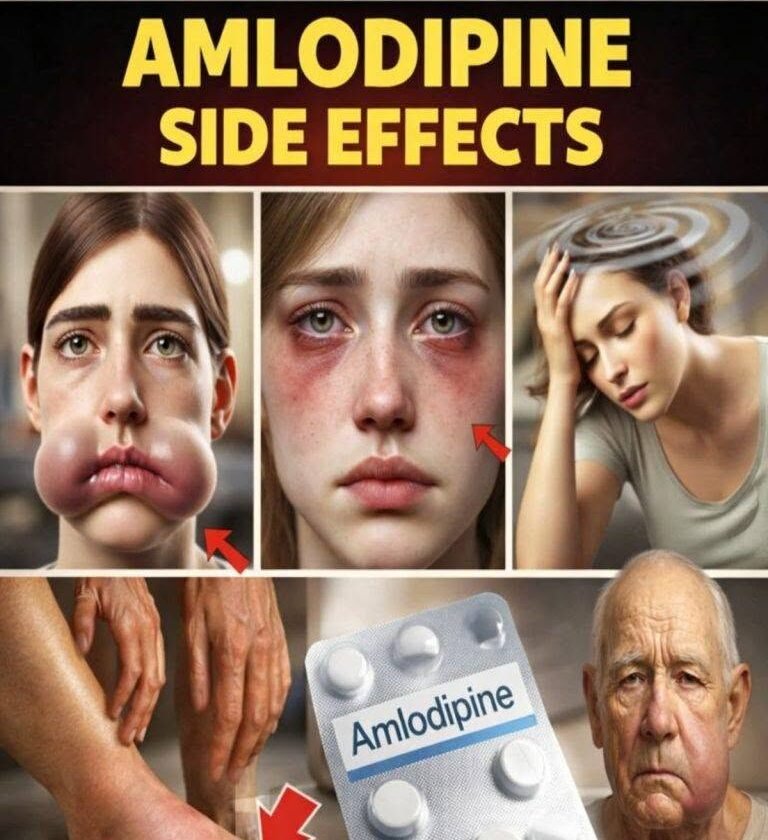
Amlodipine is a widely prescribed calcium channel blocker used to manage high blood pressure and chest pain (angina). While it is generally well-tolerated, certain foods, substances, and lifestyle habits can interfere with how it works or worsen side effects like dizziness and swelling.
1. Grapefruit and Grapefruit Juice
Grapefruit is the most well-known dietary interaction for amlodipine. It contains compounds that can block the liver enzymes responsible for breaking down the medication. This can lead to a buildup of amlodipine in your bloodstream, effectively increasing your dose and raising the risk of side effects like low blood pressure, dizziness, and flushing. (Close relatives like pomelos and Seville oranges should also be avoided).
2. Excessive Alcohol
Binge drinking or consuming heavy amounts of alcohol while taking amlodipine can cause your blood pressure to drop too sharply. This amplifies side effects like severe dizziness, lightheadedness, fainting, and headaches. Moderate consumption is sometimes permitted depending on your health status, but it’s best to check with your doctor.
3. High-Sodium (Salty) Foods
Amlodipine is prescribed to control blood pressure, and consuming a diet heavy in salt actively works against that goal. Excess sodium causes your body to retain water, raising your blood pressure and potentially worsening amlodipine-related side effects like ankle and foot swelling (peripheral edema).
4. Excessive Natural Liquorice
Eating large amounts of natural liquorice root (often found in authentic liquorice candies, teas, or herbal remedies) contains glycyrrhizin, which can cause the body to retain sodium and lose potassium. This can raise your blood pressure and counteract the benefits of your medication.
5. St. John’s Wort
This popular herbal supplement, often used for mild depression or mood support, can speed up the liver enzymes that process amlodipine. This causes your body to clear the medication too quickly, lowering its concentration in your blood and making it less effective.
6. Unchecked Salt Substitutes
Many commercial salt substitutes replace sodium with potassium chloride. If you have underlying kidney issues or take other blood pressure medications (such as ACE inhibitors or ARBs) alongside amlodipine, using these substitutes freely can lead to dangerously high potassium levels (hyperkalemia). Always consult your doctor before using them.
7. Chronic or High-Dose NSAIDs (Non-Steroidal Anti-Inflammatory Drugs)
Frequent use of NSAIDs like ibuprofen, naproxen, or high-dose aspirin can cause your body to retain fluid and raise blood pressure, blunting amlodipine’s effectiveness. While an occasional dose for a headache is usually fine, regular long-term use should be managed by a physician.
8. Certain Antibiotics and Antifungals
Medications like erythromycin, clarithromycin, or ketoconazole can inhibit the breakdown of amlodipine, similar to grapefruit juice, leading to higher drug levels. Conversely, drugs like rifampin can decrease amlodipine levels, reducing its efficacy. Always ensure your prescribing doctor reviews your complete medication list.
9. Rapid Posture Changes (Sudden Standing)
While not a physical substance, moving too quickly from a lying or sitting position to standing can trigger orthostatic hypotension (sudden blood pressure drop). Amlodipine relaxes your blood vessels, so standing up abruptly can lead to sudden dizziness or lightheadedness.
10. Dehydration
Not drinking enough water, especially in hot weather or during exercise, can lower your blood volume. Combined with the blood-vessel-widening effects of amlodipine, dehydration can trigger pronounced drops in blood pressure, leading to dizziness, fatigue, and fainting.
11. Unmonitored Over-the-Counter Cold and Flu Medications
Many multi-symptom cold and flu remedies contain decongestants (like pseudoephedrine or phenylephrine) that work by constricting blood vessels and raising blood pressure. This directly counteracts amlodipine’s goal of keeping your blood pressure managed.
12. Stopping or Skipping Doses Abruptly
Amlodipine works best when it builds up steadily in your system. Skipping doses or stopping the medication suddenly without medical supervision can cause your blood pressure to spike rebound-style, increasing your risk of heart strain, chest pain, or stroke.
Disclaimer: This information is for educational purposes and should not replace professional medical advice. Always consult your doctor or pharmacist regarding any specific foods, supplements, or medications that may interact with your health plan.