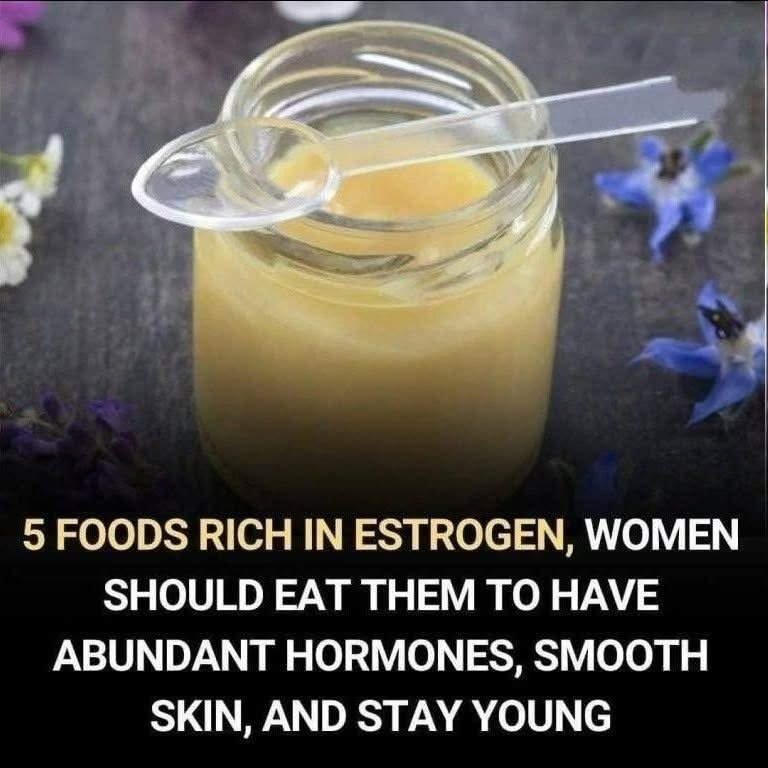
You will often see listicles online claiming that eating certain “estrogen-rich” foods can balance hormones, boost youthfulness, or act as a natural alternative to hormone therapy.
To understand what these foods actually do, it helps to make a crucial scientific distinction: plants do not produce human estrogen. Instead, they contain phytoestrogens (plant-based compounds with a chemical structure similar to human estrogen). When you eat them, phytoestrogens can bind very weakly to estrogen receptors in your body, but they act much more mildly than the hormones your body produces naturally.
Here are 5 common foods rich in phytoestrogens and what they actually do in your body:
1. Soybeans and Soy Products (Tofu, Edamame, Tempeh)
-
The Phytoestrogen Type: Isoflavones (specifically genistein and daidzein).
-
The Reality: Soy is the most heavily studied and richest dietary source of phytoestrogens. Because their structure resembles human estrogen, they can have a balancing effect—mildly stimulating estrogen receptors when your body’s levels are low (like during menopause), or gently blocking stronger estrogens when levels are high. Regular consumption of whole soy foods is safe, nutritious, and linked to various health benefits.
2. Flaxseeds
-
The Phytoestrogen Type: Lignans.
-
The Reality: Flaxseeds are the absolute richest source of lignans in the plant kingdom, containing up to 800 times more than other plant foods. Once eaten, gut bacteria convert lignans into compounds that possess mild estrogenic activity. Ground flaxseeds are also packed with fiber and heart-healthy omega-3 fatty acids.
3. Sesame Seeds
-
The Phytoestrogen Type: Lignans (specifically sesamin).
-
The Reality: Like flaxseeds, sesame seeds (and sesame oil or tahini) are a fantastic source of plant lignans. Adding them to your meals provides a nutritional boost of healthy fats and minerals while contributing to your dietary intake of phytoestrogens.
4. Garlic
-
The Phytoestrogen Type: Flavonoids and saponins.
-
The Reality: Garlic is often highlighted in wellness articles for its mild estrogenic properties. While it won’t drastically shift your hormone levels, garlic is rich in antioxidants and sulfur compounds that support overall immune and cardiovascular health.
5. Peaches and Berries
-
The Phytoestrogen Type: Isoflavones and flavonoids.
-
The Reality: Fruits like peaches, strawberries, and raspberries contain phytoestrogens and powerful antioxidants. Peaches, in particular, have been studied for their high polyphenol and phytoestrogen content, which supports healthy cellular aging.
Do These Foods Act Like Hormone Replacement Therapy?
No. Eating a bowl of edamame or sprinkling flaxseeds on your yogurt will not replace medical treatments or cause radical shifts in your hormone levels. The phytoestrogens in food are thousands of times weaker than human estrogen or prescription hormone therapy.
Instead, think of these foods as part of a vibrant, nutrient-dense diet that naturally supports overall metabolic and endocrine health.
Were you looking into these foods for general wellness, or to help manage specific symptoms like menopausal hot flashes?