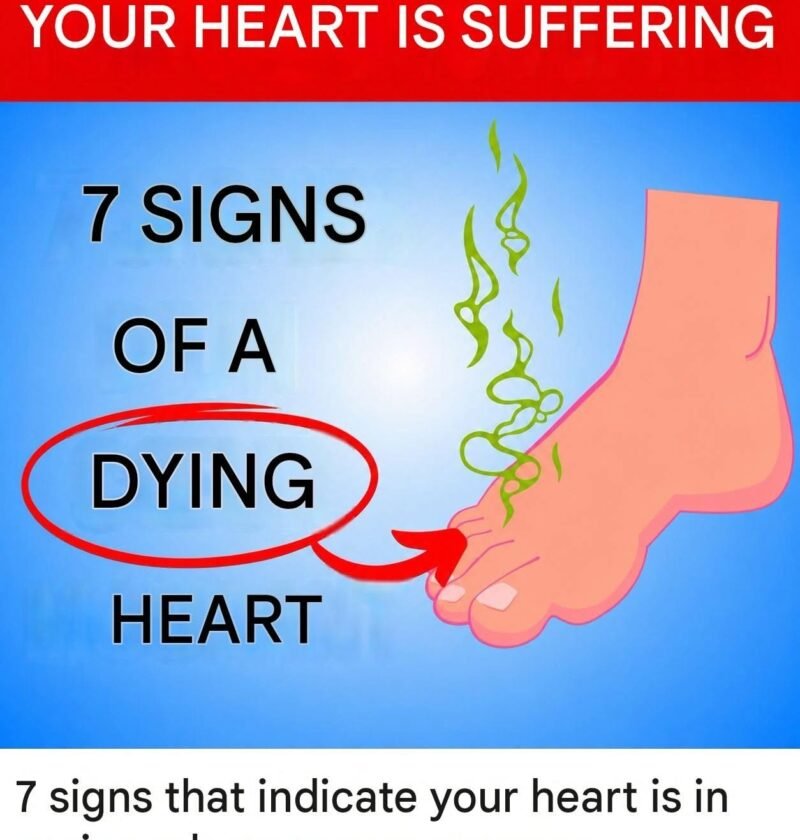
Recognizing the warning signs of severe heart distress can be life-saving. While some heart attacks strike suddenly and dramatically (like in the movies), many develop with subtle, progressive, or atypical symptoms—especially in women, older adults, and individuals with diabetes.
Here are 7 critical signs that indicate your heart may be in serious danger and requires immediate medical attention:
1. Crushing Chest Pain, Pressure, or Tightness (Angina or Heart Attack)
-
What it feels like: A heavy weight, squeezing, fullness, burning, or aching sensation in the center or left side of your chest. It may last for more than a few minutes or come and go.
-
Why it happens: The heart muscle is temporarily or permanently starved of oxygen-rich blood due to a severely blocked or ruptured coronary artery.
2. Radiating Pain Down the Arm, Jaw, Neck, or Back
-
What it feels like: Pain, numbness, or aching that spreads from the chest outward—frequently down the left arm, but it can affect either arm, the upper back, the jaw, or the teeth.
-
Why it happens: The nerves that signal pain from the heart share pathways with nerves in the neck, jaw, shoulders, and arms. The brain can misinterpret where the distress signal is originating (referred pain).
3. Sudden, Unexplained Shortness of Breath
-
What it feels like: Feeling drastically winded while sitting completely still, or gasping for air after minimal physical exertion (like walking across a room).
-
Why it happens: When the heart muscle weakens or a blockage impairs its pumping efficiency, blood backs up into the lungs, creating fluid congestion that makes breathing difficult.
4. Cold Sweats, Nausea, or Sudden Lightheadedness
-
What it feels like: Breaking out in a cold, clammy sweat for no apparent reason, feeling suddenly dizzy, or experiencing stomach upset, nausea, and vomiting that mimics a bad case of the flu.
-
Why it happens: When the heart is struggling to pump effectively, blood pressure drops, reducing blood flow to the brain and skin. The body’s fight-or-flight response to cardiac distress also triggers profuse sweating.
5. Overwhelming, Unexplained Fatigue
-
What it feels like: A profound, bone-deep exhaustion that hits suddenly and makes everyday tasks (like making the bed or walking to the mailbox) feel impossible.
-
Why it happens: This is a particularly common warning sign in women days or even weeks before a cardiac event. The heart is struggling to circulate enough oxygenated blood to fuel the body’s tissues.
6. Rapid or Irregular Heartbeat (Palpitations with Symptoms)
-
What it feels like: A heart that feels like it is racing, fluttering, pounding hard, or skipping beats, especially if accompanied by dizziness, weakness, or near-fainting.
-
Why it happens: Dangerous electrical malfunctions in the heart (arrhythmias) like ventricular tachycardia or atrial fibrillation can prevent the heart from pumping blood efficiently to the rest of the body.
7. Sudden Swelling in the Feet, Ankles, or Legs (Edema)
-
What it feels like: Rapid swelling in the lower extremities, where pressing a finger into the skin leaves a noticeable indentation (“pitting edema”).
-
Why it happens: A hallmark sign of congestive heart failure. When the heart’s pumping power declines, blood slows down exiting the veins, causing fluid to seep backward and pool in the lower body due to gravity.
What to Do in an Emergency
If you or someone nearby experiences sudden chest pain, pressure, or a combination of these warning signs that lasts longer than 5 minutes or does not resolve with rest:
-
Call 911 (or your local emergency number) immediately. Do not try to drive yourself to the hospital.
-
Chew and swallow an aspirin (if you are not allergic and have not been told by a doctor to avoid it), as it helps stop blood platelets from clotting further in a narrowed artery.
Is this for general informational purposes, or are you or someone else experiencing unusual symptoms right now?