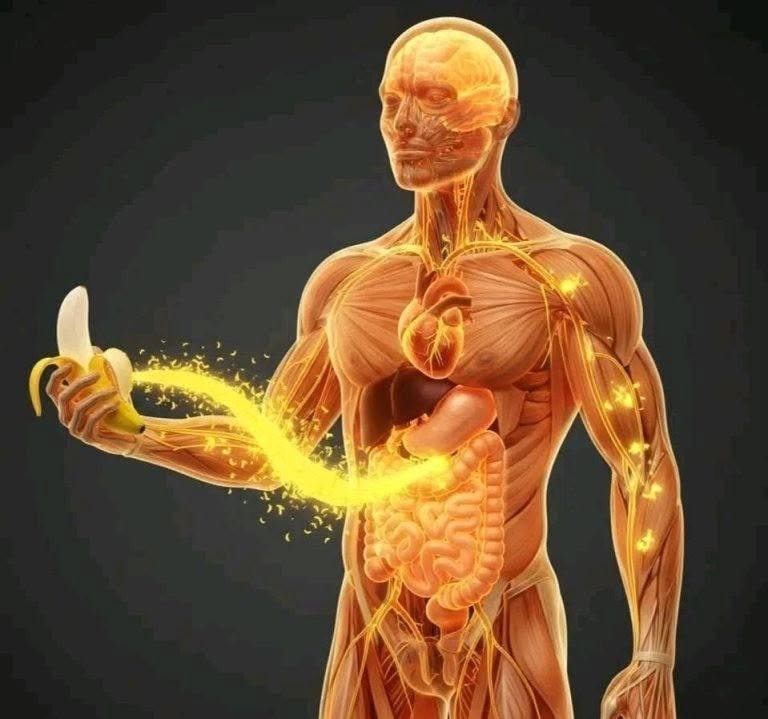
Viral clickbait headlines often use phrases like “Eating bananas in the evening increases your…” to play on either extreme fear (implying a hidden danger) or a miraculous promise. Depending on which side of the internet you browse, these headlines usually finish with one of two dramatic claims:
-
The “Harmful” Angle: “…risk of mucus buildup, poor digestion, or nightmares because heavy fruit sits in your stomach while metabolism slows down.”
-
The “Miraculous” Angle: “…your melatonin and sleep quality instantly because of magnesium and potassium.”
What Medicine and Nutrition Actually Say
The reality is much more mundane and balanced. Eating a banana in the evening will not mysteriously ruin your health, nor is it a magical sleeping pill.
-
The Digestion Myth: While it is true that heavy, high-fat, or heavily spiced meals late at night can disrupt sleep and digestion, a medium banana is relatively easy on the stomach, soft, and provides a gentle source of carbohydrates and fiber. For most healthy people, it won’t cause severe digestive distress.
-
The Sleep Connection: Bananas contain potassium, magnesium, and small amounts of tryptophan and vitamin B6 (which help the body synthesize serotonin and melatonin). While some people find a light, carbohydrate-containing snack helps curb late-night hunger and promotes relaxation, eating a banana won’t override poor sleep hygiene or act as a powerful medical sedative.
-
Blood Sugar Considerations: Because bananas contain natural sugars and carbohydrates, individuals managing diabetes or insulin resistance should be mindful of eating high-carb snacks right before lying down, as it can cause minor blood sugar fluctuations.
Ultimately, a banana is a wholesome, nutrient-dense fruit. Whether you enjoy one in the morning or as an evening snack comes down to your personal digestion, overall daily calorie intake, and how your body responds.
Are you looking at how evening snacks impact your sleep or digestion, or just untangling another viral food myth?