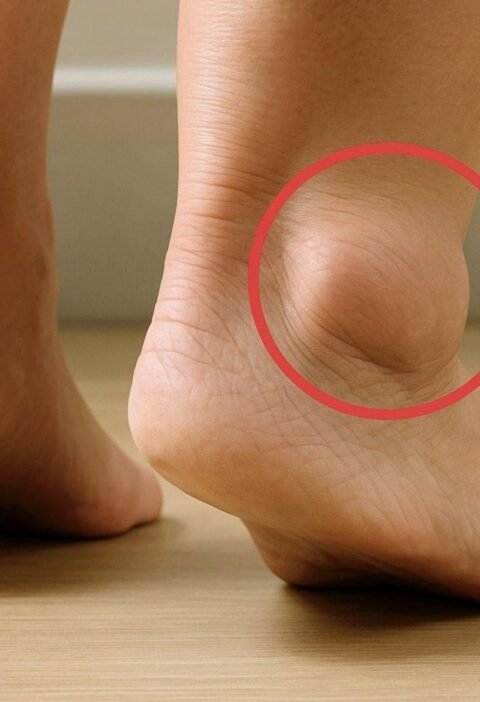
Building on the connection between physical discomfort and psychological well-being, when looking specifically at bone pain alongside mental health, certain targeted natural compounds and lifestyle adjustments stand out for their dual action on skeletal integrity, inflammation, and neurotransmitter balance.
1. Advanced Nutritional Support for Bone and Brain
-
Vitamin D3 + Vitamin K2 Synergy: While Vitamin D is essential for calcium absorption (protecting bone density) and acts almost like a hormone in the brain to support mood and prevent depression, it works best when paired with Vitamin K2. K2 ensures that calcium is directed into your bones rather than calcifying in your soft tissues or arteries.
-
Curcumin (Turmeric Extract with Piperine): Chronic inflammation is a common bridge between persistent bone/joint aching and depressive symptoms. Curcumin is a potent natural anti-inflammatory compound that can help modulate pain signaling pathways while increasing brain-derived neurotrophic factor (BDNF), a protein linked to improved mood and neuroplasticity. (Black pepper extract/piperine is typically added to significantly boost absorption).
-
Adaptogenic Herbs (e.g., Ashwagandha): While not a bone mineral, chronic pain places severe, exhausting stress on the adrenal system. Ashwagandha is an adaptogen that helps lower cortisol, reduces the subjective experience of pain, and has clinical backing for easing anxiety and promoting mental resilience.
2. Dietary and Lifestyle Shifts
-
An Anti-Inflammatory, Nutrient-Dense Diet: Incorporating dark leafy greens (rich in calcium, magnesium, and vitamin K), fatty fish like salmon or sardines (rich in omega-3s and vitamin D), and bone broths (providing collagen and trace minerals) supplies the raw building blocks your skeletal system needs for repair while reducing systemic inflammation.
-
Sunlight and Circadian Rhythm Alignment: Getting 15 to 20 minutes of safe morning sunlight exposure helps your skin synthesize natural Vitamin D3 while regulating your circadian rhythm—which is crucial for restorative sleep, melatonin production, and stable daytime mood.
Safety Note on True Bone Pain
It is worth repeating that true bone pain (a deep, dull, aching pain felt directly within the skeletal structure, distinct from muscle soreness or joint stiffness) should always be evaluated by a medical professional. Persistent bone discomfort can sometimes point to vitamin deficiencies, hormonal shifts, or conditions like osteopenia/osteoporosis that require diagnostic testing (such as a DEXA scan or comprehensive blood panel) rather than home remedies alone.
Have you discussed this combination of bone pain and mood changes with a doctor, or are you looking to supplement your current routine with specific nutrients?