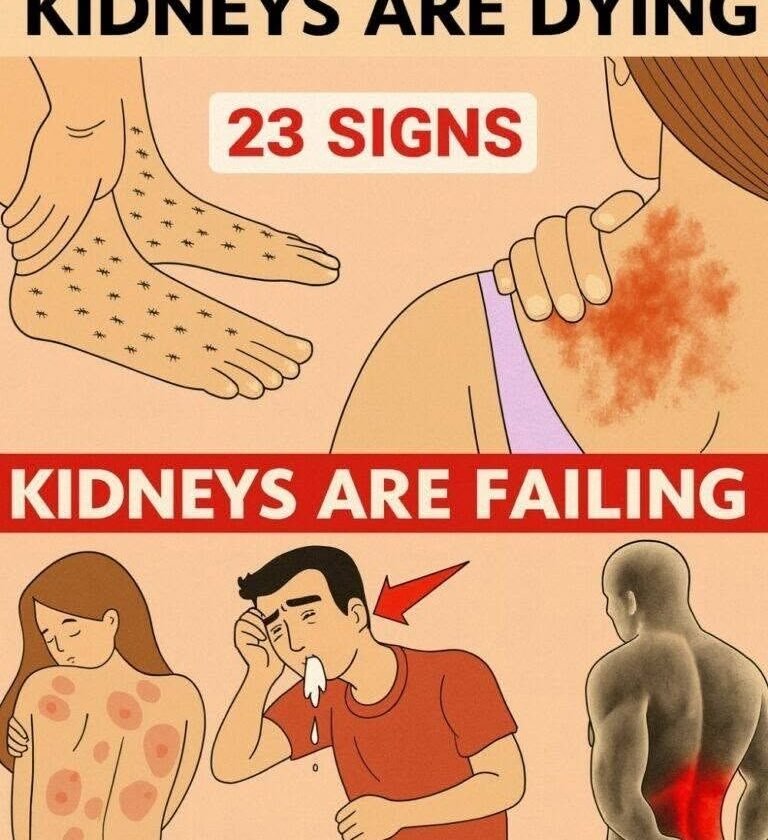
Sensationalist headlines listing dozens of “strange signs” of organ failure are a common staple of clickbait online. While it is true that chronic kidney disease is often a “silent” condition in its early stages, real medical indicators of kidney stress are well-documented, logical, and usually backed by distinct physiological changes.
Instead of vague, unverified “weird tricks” or long lists of unrelated symptoms, here are the actual, clinically recognized signs that your kidneys may need medical evaluation:
1. Changes in Urination Patterns
Because your kidneys produce urine, structural or functional trouble often shows up here first:
-
Waking up at night to pee (Nocturia): Needing to get up multiple times during the night can indicate that the kidneys’ concentrating ability is compromised.
-
Foamy urine: Excessive, persistent bubbles or froth in the urine—resembling the foam on scrambled eggs—frequently points to excess protein (albumin) leaking through damaged kidney filters.
-
Blood in the urine: Healthy kidneys keep blood cells inside your body during filtration. Damaged filters can let blood cells leak into the urine, turning it pink, red, or cola-colored (though this can also stem from infections or stones).
2. Fluid Retention and Swelling (Edema)
When kidneys cannot efficiently remove extra fluid and sodium, that fluid builds up in your tissues:
-
Puffiness around the eyes: Particularly noticeable in the mornings, caused by protein leaking into the urine rather than staying in the blood.
-
Swollen ankles, feet, or hands: Reduced kidney function can lead to lower-extremity swelling.
3. Systemic Signs of Waste Buildup (Uremia)
When waste products (toxins) begin to accumulate in the bloodstream because filtration has slowed down, it can affect the whole body:
-
Persistent fatigue and brain fog: Reduced filtering capacity—along with potential anemia caused by a lack of kidney-produced hormones—frequently leads to low energy and trouble concentrating.
-
Dry, persistent, and intensely itchy skin: Caused by mineral and bone imbalances (such as disrupted phosphorus and calcium ratios) that frequently accompany declining kidney health.
-
Muscle cramps: Electrolyte imbalances, particularly involving calcium and potassium, can trigger frequent muscle spasms or cramping.
The Best Way to Check Your Kidneys
Many of the symptoms listed above can also be caused by everyday issues like dehydration, lack of sleep, or minor infections. Because early kidney disease rarely causes dramatic symptoms, the only definitive way to check your kidney health is through routine medical screening—specifically:
-
A simple blood test to check your creatinine levels and calculate your eGFR (estimated glomerular filtration rate).
-
A urine test to check for protein or microalbumin.
If you have risk factors like high blood pressure or diabetes, or if you are noticing persistent, unusual shifts in your body, a primary care physician can easily run these lab tests. Are you looking out for a specific symptom you’ve been feeling lately?