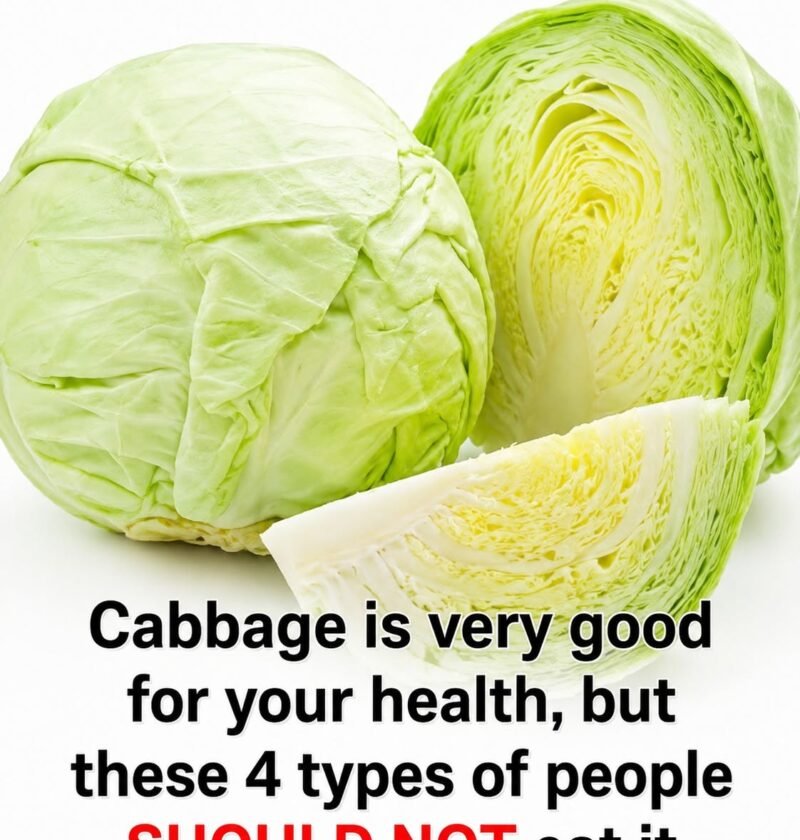
While cabbage is a nutrient-dense cruciferous vegetable packed with vitamins and antioxidants, certain health conditions or lifestyle factors mean some individuals should limit or avoid eating it (especially in large or raw quantities).
The four primary types of people who should exercise caution with cabbage include:
1. People with Hypothyroidism (Underactive Thyroid)
-
Why: Cabbage contains compounds called goitrogens. When consumed raw and in excess, goitrogens can interfere with the thyroid gland’s ability to absorb iodine and produce essential thyroid hormones, potentially worsening hypothyroidism.
-
Note: Cooking cabbage significantly reduces its goitrogenic activity, but individuals with severe thyroid conditions should still monitor their intake.
2. Individuals with IBS or Sensitive Digestion
-
Why: Cabbage is rich in complex carbohydrates and fibers, including raffinose and fructans. These are hard for some people to break down fully in the small intestine. For individuals with Irritable Bowel Syndrome (IBS), chronic bloating, or sensitive stomachs, these compounds ferment in the gut, leading to severe gas, cramping, and abdominal discomfort.
3. People Taking Blood-Thinning Medications (Anticoagulants)
-
Why: Cabbage is exceptionally rich in Vitamin K, which plays a crucial role in blood clotting. Sudden or major increases in Vitamin K intake can counteract and interfere with the effectiveness of blood thinners like warfarin (Coumadin), increasing the risk of dangerous clotting complications. Consistency in VitaminK consumption is typically required for people on these medications.
4. Individuals Prone to Kidney Stones (Specifically Oxalate Stones)
-
Why: Cabbage contains oxalates—naturally occurring compounds that can bind with calcium in the urinary tract and contribute to the formation of kidney stones. If you have a history of calcium oxalate stones, healthcare providers often advise limiting foods high in oxalates.
Tip: If you fall into one of these categories and love cabbage, you don’t necessarily have to banish it completely. Opting for thoroughly cooked cabbage (steamed, roasted, or boiled) and keeping portions modest can make a substantial difference. Always consult your doctor or a registered dietitian if you have specific medical concerns regarding your diet.