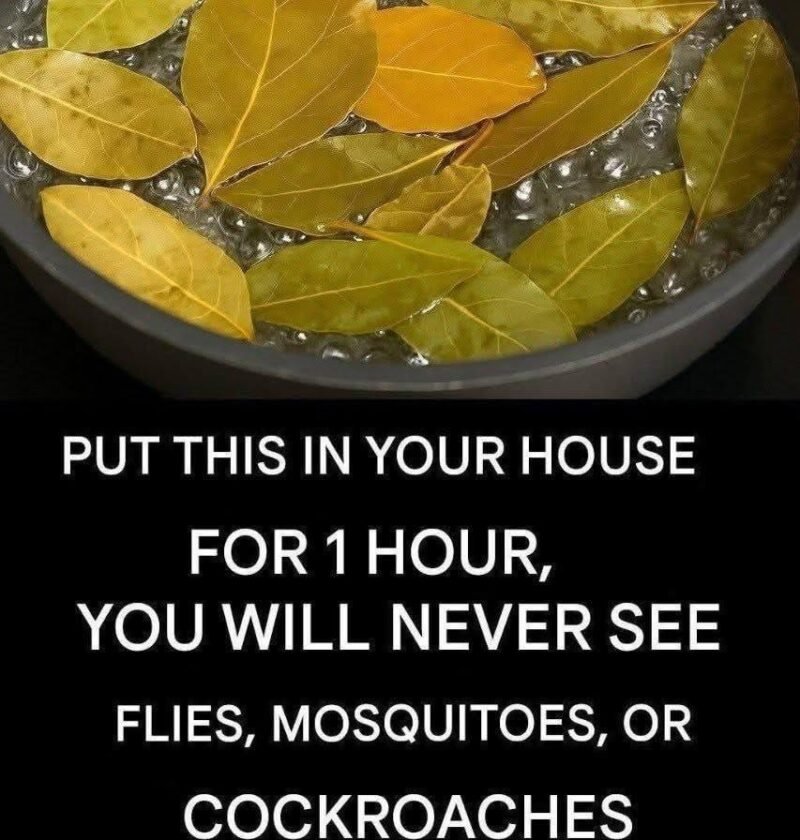
If you’re turning this into a practical home-care post, I’d avoid promising that natural remedies will “banish” all three pests. The most reliable approach is prevention and removing food, water, and hiding places. EPA describes this as integrated pest management. US EPA
🌿 Simple ways to reduce flies, mosquitoes, and cockroaches
🦟 Mosquitoes
The most effective “natural” step is surprisingly simple: remove standing water. Empty and scrub buckets, plant saucers, tires, toys, gutters, and other water-holding containers at least weekly. Mosquitoes can breed in surprisingly small amounts of water. CDC+1
Repair window and door screens and keep doors closed when possible. For personal protection outdoors, don’t rely on homemade essential-oil mixtures; CDC recommends proven, EPA-registered repellents because the effectiveness of many unregistered natural repellents is uncertain. CDC
🪰 Flies
- Keep food covered and clean spills promptly.
- Empty kitchen garbage regularly.
- Keep garbage containers tightly closed.
- Clean food residue from counters, drains, and pet-feeding areas.
- Make sure window and door screens fit properly.
Removing their access to food and breeding areas is more dependable than simply spraying or masking odors.
🪳 Cockroaches
- Store food in sealed containers.
- Clean crumbs and food residue quickly.
- Don’t leave pet food out overnight.
- Fix leaking taps and pipes.
- Seal cracks and gaps around cabinets, walls, and plumbing.
- Reduce clutter where cockroaches can hide.
EPA specifically recommends eliminating food, water, and shelter and sealing entry points as core pest-control measures. US EPA
A word about “natural” sprays
Recipes containing vinegar, essential oils, citrus peels, or herbs may smell unpleasant to some insects, but they shouldn’t be presented as guaranteed insecticides or mosquito protection. For mosquitoes in particular, CDC recommends products with proven active ingredients when bite protection is important. CDC
Bottom line: The most effective low-chemical strategy is cleanliness + eliminating standing water + sealing entry points + removing food and moisture sources. If you have a substantial infestation, traps, baits, or professionally applied products may be necessary. US EPA
Sources