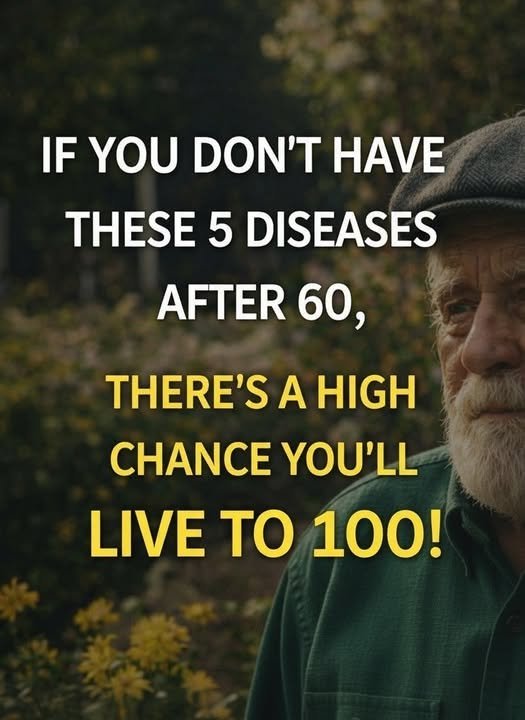
That claim is far too definitive. Reaching 60 without five particular diseases does not let anyone reliably predict that they’ll live to 100. Longevity depends on genetics, lifestyle, environment, socioeconomic factors, medical care, and chance.
A more accurate health message is:
Reaching 60 in good health is a positive sign—but it isn’t a guarantee of longevity
People who reach older age without major chronic diseases generally have a lower risk of disability and premature death, but there is no validated checklist of five diseases whose absence means you’re likely to reach 100.
Conditions that are important to prevent or manage as we age include:
- Cardiovascular disease
- Diabetes
- Cancer
- Chronic lung disease
- Neurodegenerative diseases such as dementia
But having one of these conditions doesn’t mean someone can’t live a long life, and not having them at 60 doesn’t guarantee exceptional longevity.
The most useful approach is to focus on modifiable factors: don’t smoke, stay physically active, maintain a healthy diet, manage blood pressure and cholesterol, maintain a healthy weight, get recommended screenings and vaccinations, sleep adequately, and maintain social connections.
And if you’re already 60, it’s not too late—healthy changes at older ages can still provide meaningful benefits.