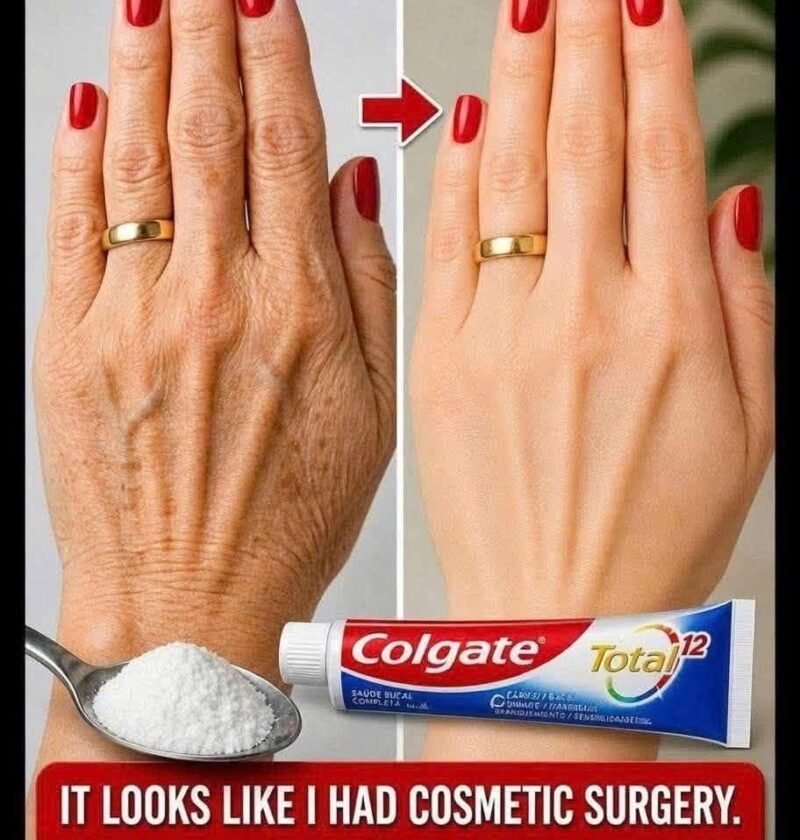
If you’re referring to age spots and other changes that make hands look older, they’re very common—but not every spot is simply “aging.”
Why hands develop spots and wrinkles
- Sun exposure: Years of ultraviolet (UV) exposure can cause brown, flat spots often called age spots or solar lentigines.
- Thinning skin: Skin generally becomes thinner and loses collagen with age, making veins, tendons, and wrinkles more noticeable.
- Dryness: Reduced moisture and repeated washing can make the skin look rougher and more wrinkled.
- Past sun damage: Freckles and pigmentation can become more noticeable over time.
What can help
Use a broad-spectrum SPF 30+ sunscreen on the backs of your hands every day, especially when outdoors. Moisturizer can improve dryness and the appearance of fine lines. For persistent pigmentation, a dermatologist can discuss treatments such as prescription creams, chemical peels, or laser procedures.
One important warning: Don’t automatically assume a new dark spot is an age spot. A spot that is new, changing in size/color/shape, bleeding, itching, or markedly different from your other spots should be examined by a dermatologist.