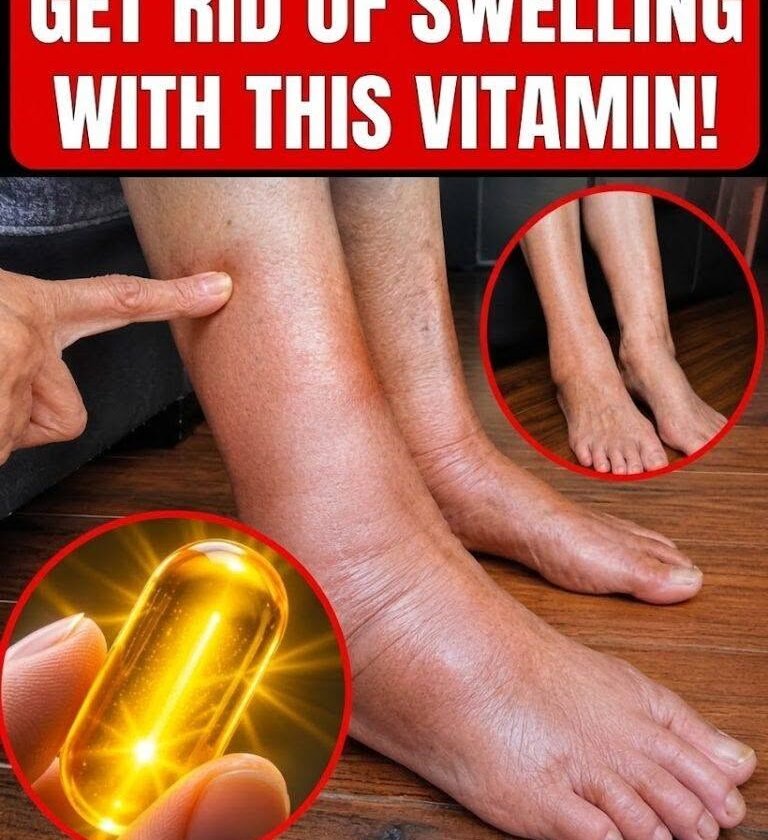
Headlines like *”The Single Vitamin That Drops Ankle Swelling Fast”* use classic clickbait formulas, promising a quick, single-ingredient miracle cure for a complex physical symptom.
In reality, **no single vitamin acts as an instant fix for ankle swelling (edema)**, because swelling in the lower extremities can stem from a wide variety of causes—ranging from simple lifestyle factors to serious medical conditions.
However, nutrient levels, circulation, and fluid balance are closely linked. Here is what you need to know about vitamins, minerals, and ankle swelling:
### The Role of Vitamins and Minerals in Fluid Balance
While there isn’t a magic vitamin that instantly drains swelling, certain nutritional factors play a role in how your body manages fluids:
* **Vitamin B6 (Pyridoxine):** Sometimes promoted for water retention (particularly related to premenstrual syndrome), B6 plays a role in protein metabolism and fluid regulation. However, taking high doses without a diagnosed deficiency won’t cure sudden ankle swelling and can actually be harmful over time.
* **Potassium and Sodium Balance:** Swelling is frequently driven by an imbalance of electrolytes. Consuming too much sodium causes your body to hold onto water, while adequate potassium helps counteract sodium and regulate fluid levels.
* **Magnesium:** Mild diuretic and anti-inflammatory properties of magnesium can sometimes assist with minor fluid retention, but again, it is not an immediate fix for localized edema.
### Common, Non-Miracle Causes of Ankle Swelling
Before looking for a supplement, it helps to understand why ankles swell in the first place:
* **Prolonged Sitting or Standing:** Gravity causes blood and fluid to pool in your lower legs if you are inactive for long periods.
* **Heat:** Warm weather causes blood vessels to dilate, making it easier for fluid to leak into surrounding tissues.
* **High Salt Intake:** Eating a very salty meal prompts the body to retain excess water.
* **Pregnancy or Hormonal Shifts:** Increased blood volume and changing hormones frequently cause mild, temporary swelling.
* **Medications:** Certain drugs—such as blood pressure medications (calcium channel blockers), NSAIDs, or steroids—list ankle swelling as a common side effect.
### When Ankle Swelling Requires Medical Attention
While minor swelling from standing too long or eating salty food usually resolves with rest and elevation, you should consult a doctor promptly if the swelling is:
* **Sudden and unexplained**, especially if it occurs in only **one leg** (which can be a sign of a blood clot, or deep vein thrombosis / DVT).
* Accompanied by shortness of breath, chest pain, or difficulty breathing (which can indicate heart or lung issues).
* Persistent, severe, or accompanied by skin discoloration, warmth, or pain.
Are you or someone you know currently dealing with sudden or persistent ankle swelling?


