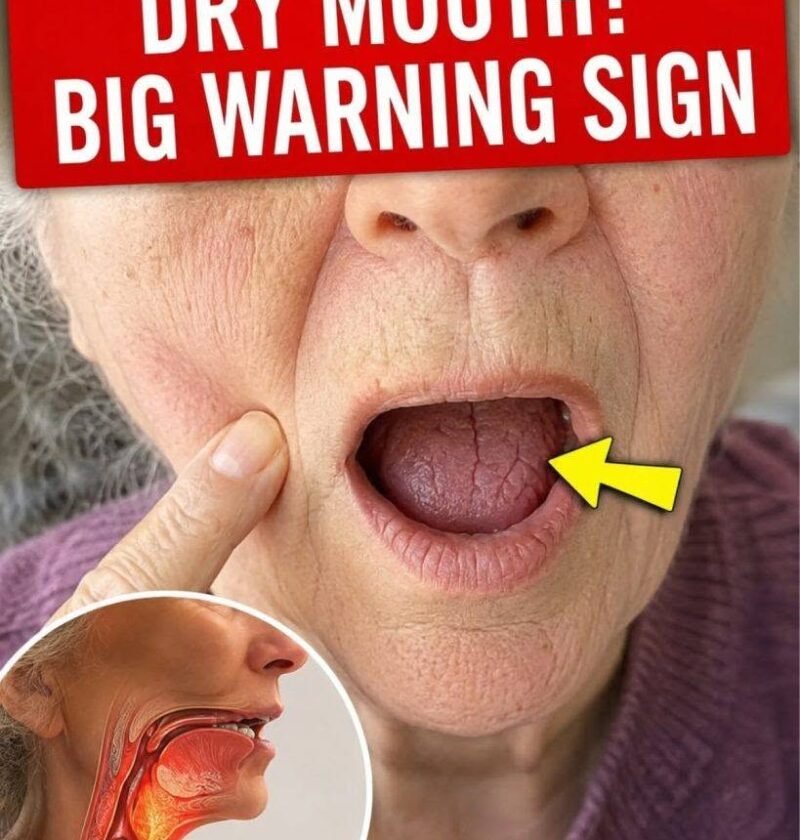
💧 Dry Mouth Is Not Simply Aging — What Your Saliva May Be Telling You
The headline is partly correct but overstated. Dry mouth (xerostomia) is not considered a normal or inevitable part of aging. However, older adults experience it more often because they are more likely to take medications and have medical conditions that can reduce saliva production. NIDCR+1
Why might your mouth feel unusually dry?
Common causes include:
- Medications — hundreds of medications can reduce saliva, including some used for high blood pressure, depression, allergies, pain, and bladder problems. NIDCR
- Dehydration
- Mouth breathing or snoring
- Diabetes
- Sjögren’s disease, an autoimmune condition that can attack the salivary glands
- Radiation or chemotherapy involving the head and neck
- Certain nerve or salivary-gland disorders. NIDCR+1
And “saliva shutting down” doesn’t necessarily mean the glands have stopped working. The sensation of dry mouth and objectively reduced saliva production aren’t always the same thing. NIDCR
🦷 Why saliva matters
Saliva isn’t just moisture. It helps you chew and swallow, wash food from your teeth, protect against tooth decay, and control harmful microorganisms. Persistent dry mouth can increase the risk of cavities, gum problems, mouth sores, and fungal infections. NIDCR+1
What you can do
- Sip water regularly.
- Chew sugar-free gum to stimulate saliva.
- Limit tobacco and alcohol.
- Consider reducing excessive caffeine if it worsens dryness.
- Use a humidifier at night if the air is dry.
- Maintain careful brushing and dental care. NIDCR
Don’t stop or change prescription medications on your own. If you suspect a medication is causing your dry mouth, ask your doctor or pharmacist whether an alternative or dose adjustment is appropriate. Mayo Clinic
When should you get checked?
If dry mouth is persistent, especially if you’re having difficulty swallowing or speaking, frequent cavities, mouth infections, burning, or significant changes in taste, talk with a doctor or dentist. They can review your medications and medical history and, when necessary, measure saliva production or investigate an underlying condition. NIDCR+1
Bottom line: Dry mouth isn’t something you should automatically dismiss as “just getting older.” It can be a clue to medication effects, dehydration, mouth breathing, or an underlying health condition—and the cause is often treatable.
Sources