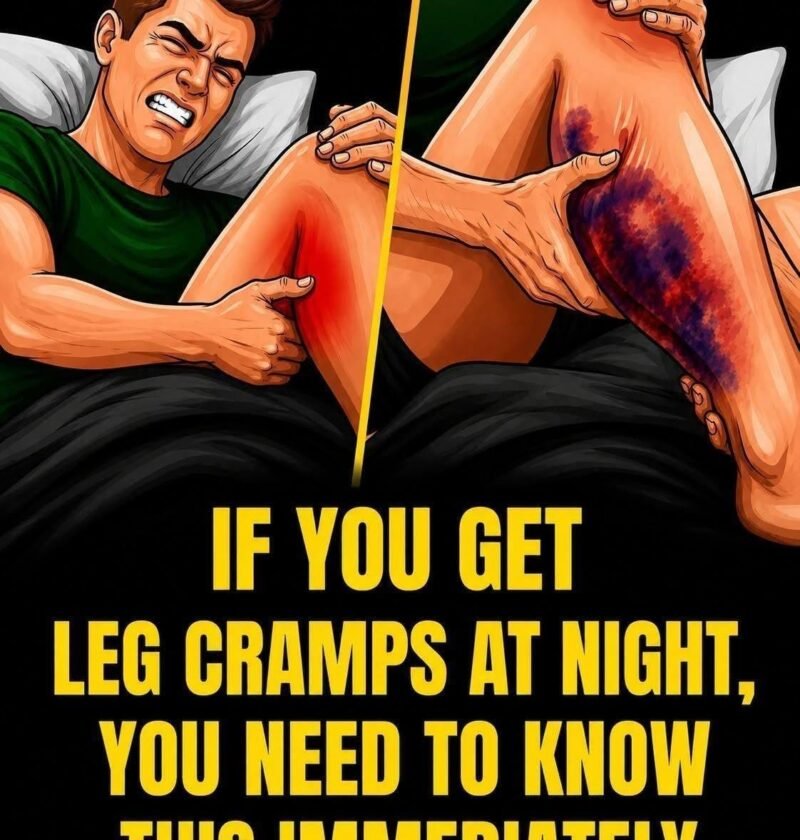
Waking up in the middle of the night with a sudden, agonizing cramp in your calf or foot—often called a “charley horse”—is an intensely painful experience. While nocturnal leg cramps are usually harmless and brief, they can severely disrupt your sleep.
Here is what you need to know about why they happen and how to manage them:
Why Do Night Leg Cramps Happen?
Most of the time, the exact cause isn’t fully understood (referred to as idiopathic), but several common triggers contribute to muscle spasms:
-
Muscle Fatigue and Overuse: Strenuous exercise, standing for long hours, or working muscles hard without proper conditioning can make them prone to seizing up.
-
Dehydration and Electrolyte Imbalances: Low levels of key minerals like potassium, magnesium, or calcium, or a simple lack of adequate fluid intake, can disrupt normal muscle function.
-
Poor Posture or Foot Position: Sleeping with your toes pointed downward shortens the calf muscles, making them much more vulnerable to sudden spasms.
-
Medications and Medical Conditions: Certain drugs (like diuretics or statins) or underlying issues (such as nerve compression, circulatory problems, or metabolic conditions) can increase your risk.
What to Do When a Cramp Hits (Instant Relief)
-
Stretch the Muscle Immediately: Straighten your leg and pull your toes upward toward your shin (dorsiflexion). If it’s a calf cramp, stepping carefully onto a cool floor can sometimes help the muscle reflexively relax.
-
Massage Gently: Firmly massage or knead the tight muscle tissue to encourage blood flow and release the contraction.
-
Apply Warmth: Use a heating pad or take a warm bath or shower to soothe residual muscle soreness after the spasm stops.
When to See a Doctor: While most night cramps are benign, you should consult a physician if your cramps are extremely frequent, cause severe lingering weakness, or are accompanied by swelling, redness, or skin changes in your legs.