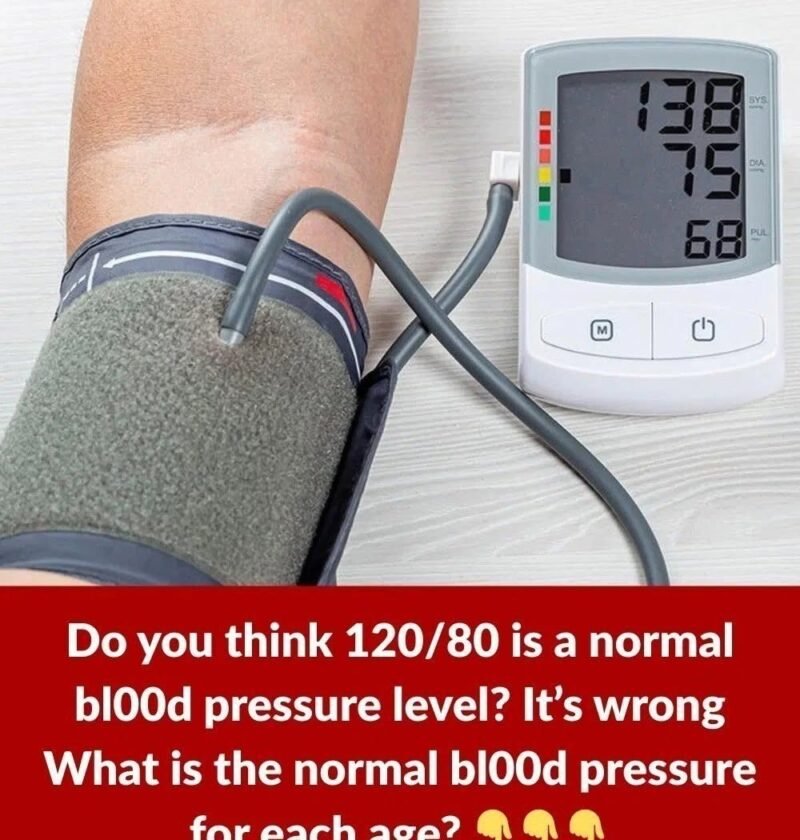
What Is Normal Blood Pressure at Each Age?
A common misconception is that blood pressure has a different “normal” number for every decade of life. For adults, there isn’t a separate normal range simply because you’re 50, 65, or 80. Your overall health and repeated measurements matter.
Adult blood pressure categories
| Category | Systolic (top) | Diastolic (bottom) |
|---|---|---|
| Normal | <120 | and <80 |
| Elevated | 120–129 | and <80 |
| High — Stage 1 | 130–139 | or 80–89 |
| High — Stage 2 | ≥140 | or ≥90 |
| Severely high | >180 | and/or >120 |
These are the American Heart Association categories; guidelines in other countries can use somewhat different thresholds.
What about people over 65?
Age alone doesn’t make a reading such as 150/90 “normal.” Older adults can develop hypertension and may benefit from treatment. However, an individual’s target can be adjusted by a clinician based on other health conditions, medications, frailty, and the risk of dizziness or falls.
Get a more accurate reading
For home monitoring:
-
Rest quietly for 5 minutes first.
-
Sit with your back supported and feet flat on the floor.
-
Keep your arm supported at heart level.
-
Use a correctly sized upper-arm cuff.
-
Take two readings about a minute apart and record them.
-
Look at the average over several days, rather than relying on one reading.
🚨 When is it an emergency?
If your blood pressure is 180/120 mmHg or higher, repeat the measurement after a short rest. If it remains that high, contact a healthcare professional promptly.
If very high blood pressure occurs with chest pain, severe shortness of breath, weakness/numbness, vision changes, difficulty speaking, or severe headache, seek emergency medical care immediately.
Bottom line: Don’t use age alone to decide whether your blood pressure is healthy. Repeated measurements and your individual medical situation are more important.