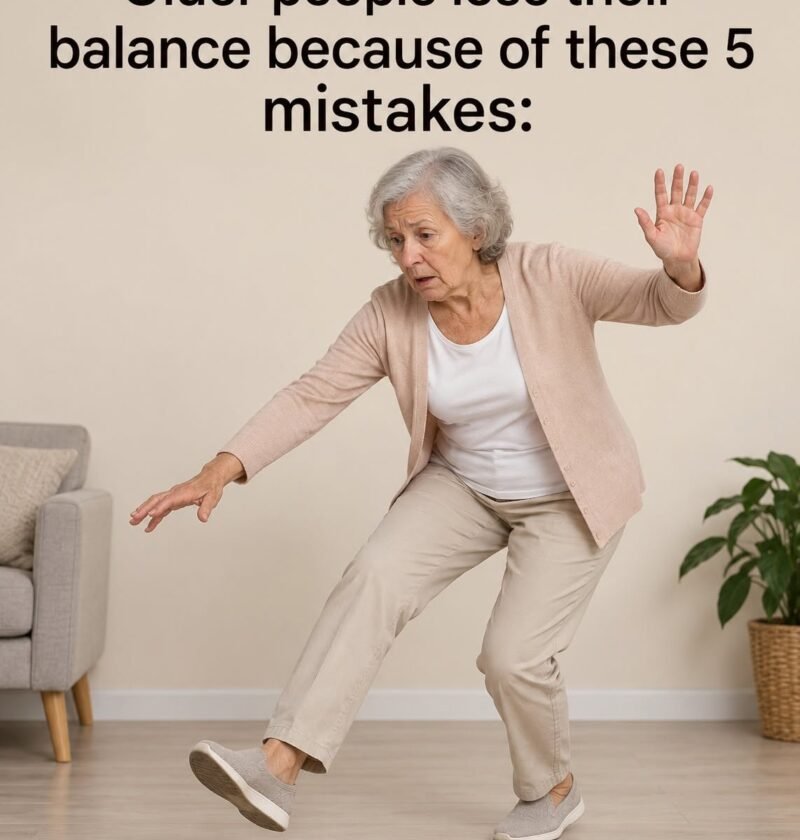
Maintaining steady balance is a critical part of preserving mobility, confidence, and independence as we age. While changes in vision, inner-ear function, and muscle strength naturally occur over time, many everyday habits and overlooked oversights can quietly compromise stability.
Here are 5 common mistakes that can negatively affect balance in older adults, along with practical ways to correct them:
1. Rising Too Quickly from a Chair or Bed
-
The Mistake: Jumping up immediately after sitting or lying down can cause a sudden, temporary drop in blood pressure known as orthostatic hypotension.
-
The Impact: When blood pressure drops quickly, less blood reaches the brain, leading to sudden lightheadedness, dizziness, or a momentary loss of footing right as you stand.
-
The Fix: Take your time when changing positions. Sit on the edge of the bed or chair for a few moments, flex your ankles, and let your body adjust before standing up.
2. Overlooking Footwear and Walking in Socks at Indoors
-
The Mistake: Walking around the house barefoot, in slick socks, or wearing loose, unsupportive slippers and shoes with worn-out, slippery soles.
-
The Impact: Socks offer zero traction on hardwood, tile, or laminate floors, making slips very easy. Similarly, shoes without proper heel support or grip reduce your feet’s ability to sense the ground accurately.
-
The Fix: Wear supportive, properly fitted shoes or slippers with non-slip rubber soles both inside and outside the house.
3. Ignoring Environmental Trip Hazards at Home
-
The Mistake: Allowing small household hazards—like loose area rugs, trailing appliance or phone cords, cluttered walkways, and poor hallway lighting—to persist.
-
The Impact: Even someone with great core strength can easily trip over a curled rug edge or a misplaced cord in dim light. Falls at home account for a massive percentage of senior injuries.
-
The Fix: Secure or remove loose rugs with double-sided tape, keep pathways clear of clutter, and install bright nightlights in hallways, stairwells, and bathrooms for safe nighttime navigation.
4. Skipping Leg and Core Strengthening Exercises
-
The Mistake: Falling into a completely sedentary routine out of a fear of falling, or focusing exclusively on light walking while ignoring strength training.
-
The Impact: Muscles in the legs, hips, and core naturally weaken without resistance or balance challenges. Without strong supporting muscles, your body cannot quickly correct itself if you stumble.
-
The Fix: Incorporate safe, stability-building exercises—such as chair squats, single-leg stands (holding onto a sturdy counter), or heel-to-toe walking—into your routine. Consider working with a physical therapist to find a customized plan.
5. Failing to Review Medications and Side Effects
-
The Mistake: Taking multiple prescription or over-the-counter medications without periodically checking how they interact or impact alertness.
-
The Impact: Many common medications—including blood pressure drugs, sedatives, sleep aids, and antihistamines—can cause drowsiness, dizziness, or slowed reaction times that directly impair balance.
-
The Fix: Schedule a regular medication review with your doctor or pharmacist. Bring a complete list of everything you take, including vitamins and supplements, to identify any combinations that might cause unsteadiness. (Note: Never stop taking prescribed medications on your own.)
Are you or a loved one looking for ways to build better lower-body strength, or trying to navigate a recent change in balance?